How the industrial pull effect drives the local and urban economy

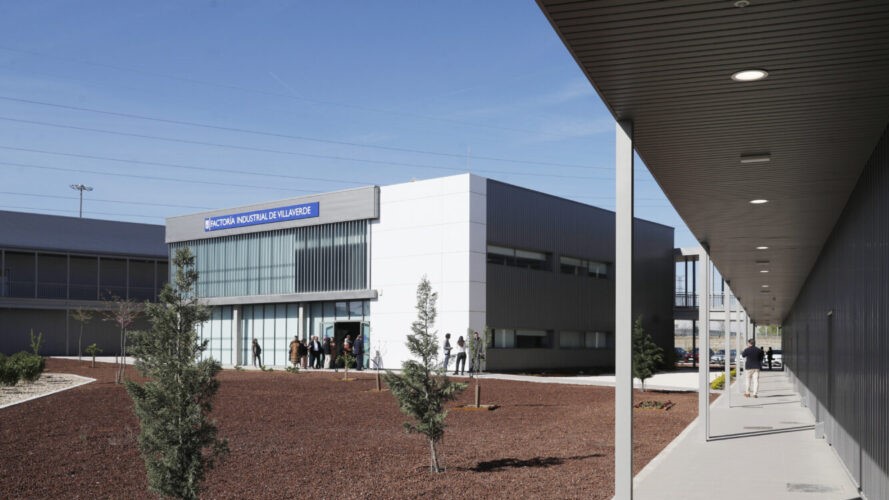
Central courtyard with factory building in the background in Villaverde-

The evolution of our cities cannot be understood without the role of production. In recent decades, the concept of industry pull effect has gained unusual relevance, as it is not limited exclusively to the generation of economic wealth, but acts as a fundamental vector for social and spatial transformation. Revitalizing an environment implies much more than physical rehabilitation; it means injecting life, services, and new narratives into areas that, after the crisis of traditional models, had been forgotten. Next, we will analyze how this phenomenon is capable of transform obsolete soils into innovation engines and territorial cohesion.

Defining revitalization under the industry pull effect.

From the perspective of urbanism and urban geography, revitalizing a space means moving from a situation of decline and stigmatization towards a condition of greater intensity of uses, environmental quality, and social recognition. This process is not merely aesthetic, but involves a functional recomposition where work, residence and leisure intertwine to reintegrate degraded areas into current metropolitan logics. The industry pull effect is the engine that enables this transition, operating on four fundamental levels: the physical-morphological, through the reuse of buildings; the functional, diversifying economic activities; the socioeconomic, creating quality employment; and the symbolic, changing the perception of the place from a residual space to one of opportunity. It is crucial to differentiate this profound revitalization from the "cosmetic regeneration", which often forgets social inclusion and is limited to superficial changes.

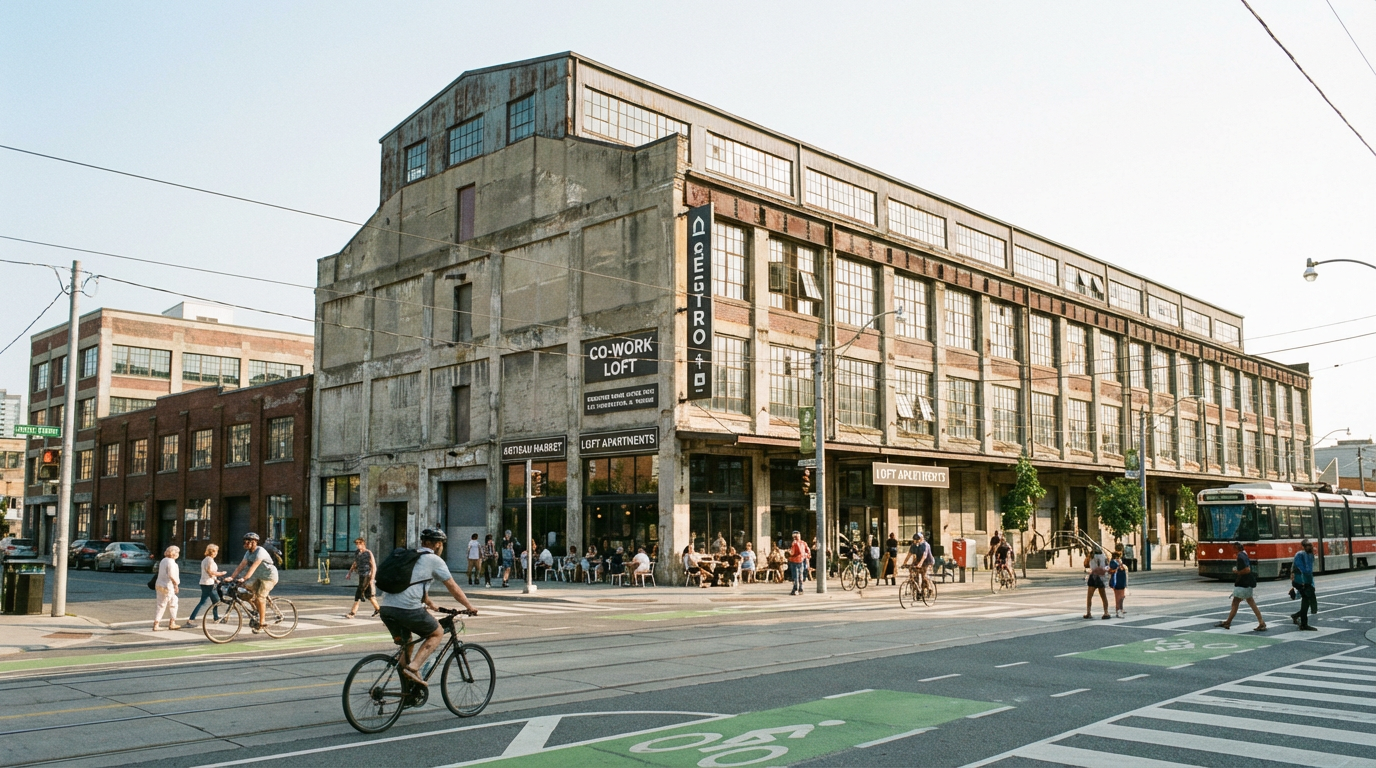
industry in urban areas

The four faces of the industry's ripple effect on the territory.

The industry pull effect goes far beyond traditional economic chains between suppliers and customers. In the territorial sphere, it manifests as a spatial pull capable of reactivating vacant lands (brownfields) and improve urban connectivity through new infrastructures. Socially, this phenomenon strengthens the community networks and generates demand for educational and care services, while at the institutional level it mobilizes public housing and transport policies around productive projects, such as innovation districts or eco-parks. There is even a symbolic pull, where factory heritage becomes an emblem of modernization and creativity, transforming the identity of entire regions that go from being polluted areas to sustainability benchmarks.

Critical infrastructures driven by the multiplier effect of industry.

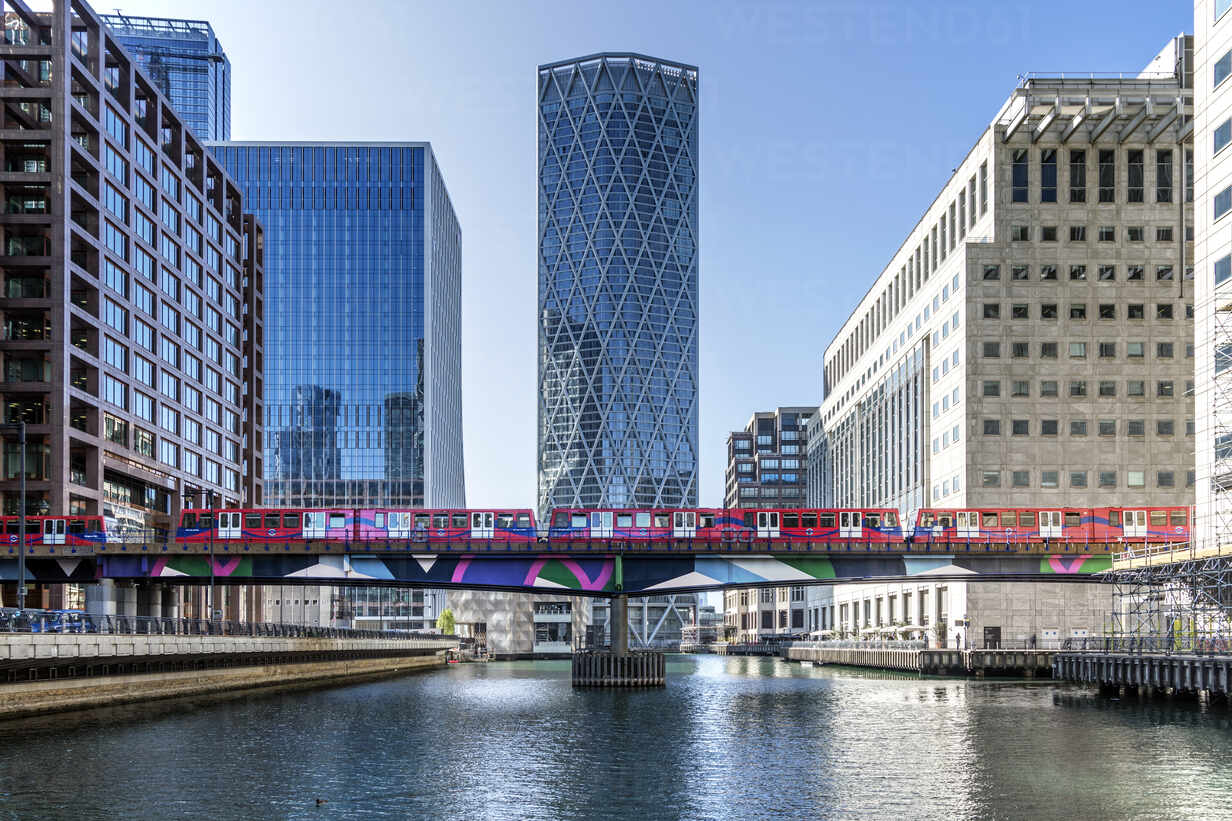
The industry transforms land use patterns by converting old monofunctional areas into mixed-use districts that combine offices, housing, and public facilities. A clear example of the industry pull effect is observed in the redevelopment of obsolete port fronts into cutting-edge residential and tertiary areas, such as the London Docklands or HafenCity in Hamburg. These interventions are usually accompanied by massive investments in transport infrastructure —railways, light rail, or logistics platforms— that reconfigure regional accessibility. However, the literature warns that, if there is no integrated planningthese new nodes can reinforce private vehicle dependency patterns or generate benefits that are concentrated only in certain socioeconomic profiles.

The ripple effect of industry in the creation of local ecosystems.

The presence of modern productive activities, especially the knowledge-intensive, it acts as a magnet for a wide range of urban services ranging from local commerce to training and coworking centers. The industry pull effect is perceived in daily life by stabilizing residence in popular neighborhoods and maintaining social networks linked to work, although it can also introduce risks if not managed precariousness or gentrification. In advanced models, such as the industrial eco-parks, common energy and waste infrastructures are conceived as shared services that benefit the local economic fabric. Conversely, when industry operates as a gated community, this pull is limited, preventing benefits from spilling over to the surrounding community.

Avoiding fragmentation in the ripple effect of industry.

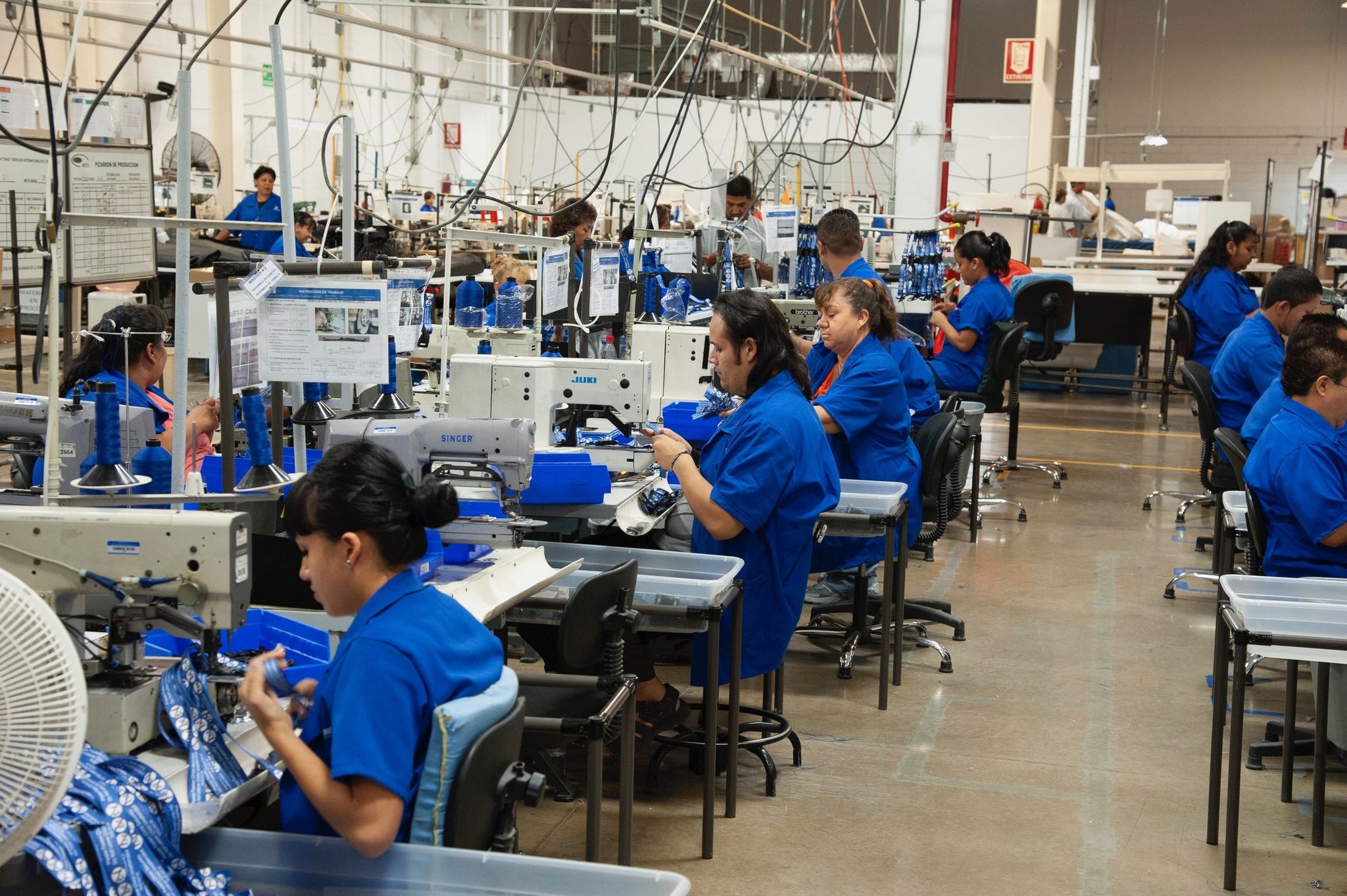
The industrial impact is not always positive; the industry pull effect can fail if disconnected enclaves are generated or exclusion processes occur. The case of the assembly plants in Ciudad Juarez shows how a strong industrial implantation can coexist with a extreme socio-spatial polarization, precarious employment, and unequal urbanization. Likewise, market-centric regeneration projects, such as London Docklands, have been criticized for causing a drastic rise in housing prices and displacement of historical communitiesFor the impact to be real and beneficial, it is imperative to avoid monofunctionality, to guarantee environmental remediation and ensure that the local population actively participates in defining the new uses of the space.

maquiladoras in juarez

Conclusion

In short, the industry pull effect is not an automatic phenomenon, but the result of aligning productive activity with a inclusive and sustainable urban planning. When managed correctly, it is capable of regenerating not only the physical soil, but also the social fabric and territorial identity, turning old voids into innovation hubs. However, to avoid fragmentation and inequality, it is essential that public policies guarantee the housing access, environmental quality and the functional integration of these spaces into city life.

Author
Articles
Related
In the midst of the digital age, the facade, signage, wayfinding, and physical condition of a store continue...

19/06/2026

Privacy Summary

This website uses cookies so that we can provide you with the best possible user experience. Cookie information is stored in your browser and performs functions such as recognising you when you return to our website or helping our team understand which sections of the website you find most interesting and useful.