

Signage has become an essential element in the design of spaces. It is not only about complying with regulations, but also about facilitating understanding, guidance and autonomy for all people.
The purpose of signage is to offer clear and universal communication. It is not only aimed at people with disabilities, but also at any user who moves through an unknown or complex space.
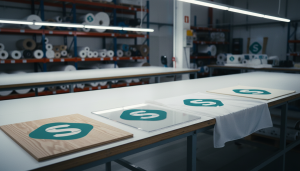
Outdoors or indoors, the selection of signage materials should be strong, durable and adaptable. Environmental conditions, continuous use and possible acts of vandalism make it necessary to use materials that resist the passage of time without losing their functionality or legibility.
The finishes should preferably be matte to avoid reflections or shine that make it difficult to read. In addition, it is important that the materials can be easily cleaned and that they resist cleaning products without deteriorating.
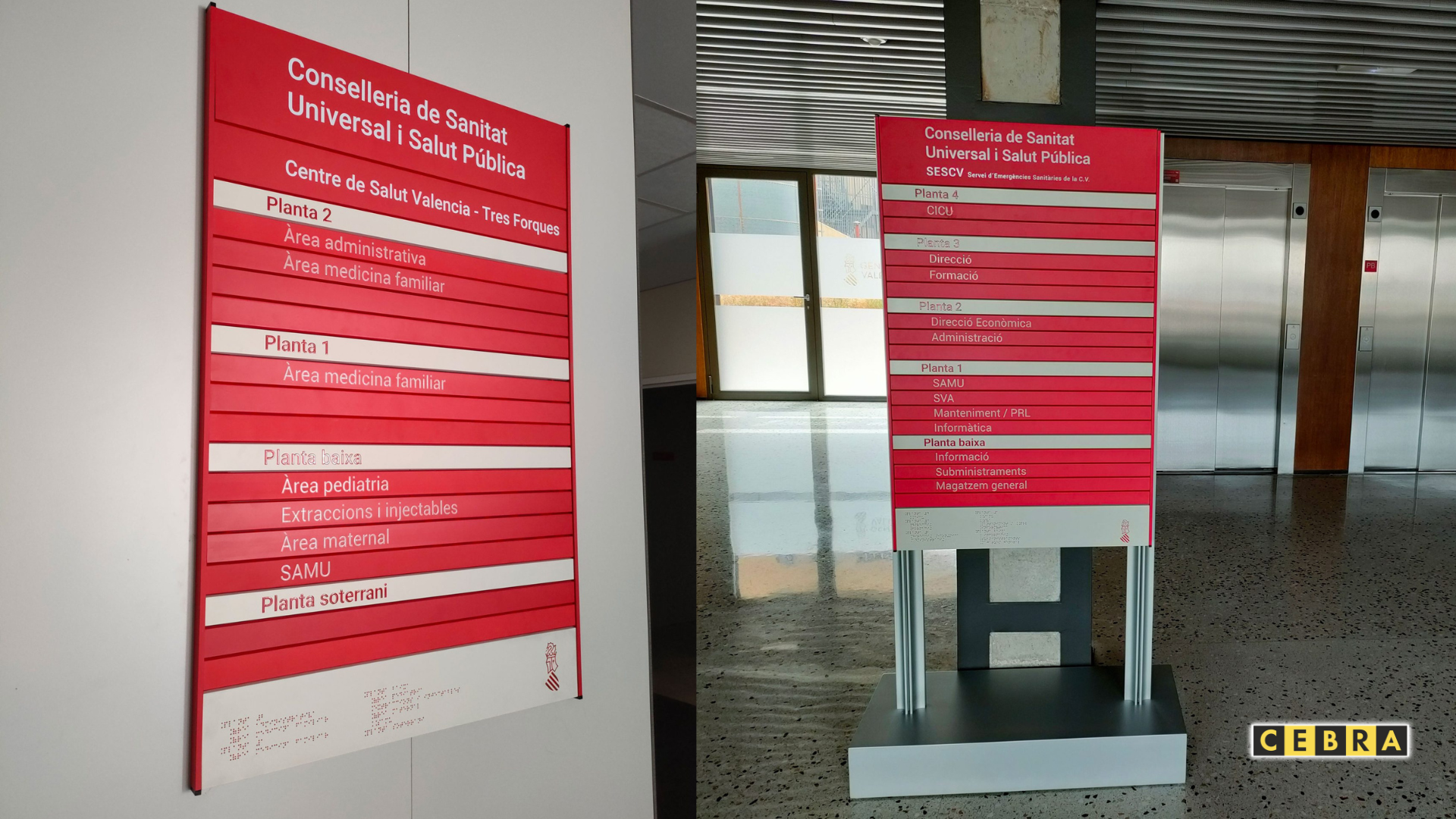
As for the supports, self-supporting structures such as totems or directories, hanging panels, banners and wall attachments stand out.
Adaptability also refers to the fact that the labeling system allows the updating or replacement of information without the need to redo the entire set. This generates a more sustainable, economical system that is prepared for changes in use in the space. It is especially advisable to use modular supports or interchangeable panels that allow only the content to be removed and replaced with a new one. This avoids generating unnecessary waste and facilitates the continuous maintenance of signage.
For example, aluminium profiles with rails can be used to insert printed foils or magnetic plates with a washable and rewritable surface. It is also useful to opt for systems with accessible fixings that allow the graphic elements to be dismantled without damaging the main structure. In this way, professionals can intervene quickly in the event of any changes without incurring large costs or prolonged interruptions in the use of the space.
Signage does not only apply to institutional buildings. Its implementation significantly improves the functionality of any space where people need to find their way around, locate services or understand instructions. Below, we highlight some of the most representative cases:
Having visible and understandable indications to access the building is essential. The presence of universal symbols such as the SIA (International Symbol of Accessibility), directional arrows and information signs contribute to a smooth entry for all user profiles.
From town halls to cultural or health centres, counters and information points must be clearly signposted and include accessible formats such as Braille, pictograms and tactile signage. Facilitating this orientation from the entrance reduces the need for assistance and improves the visitor experience.
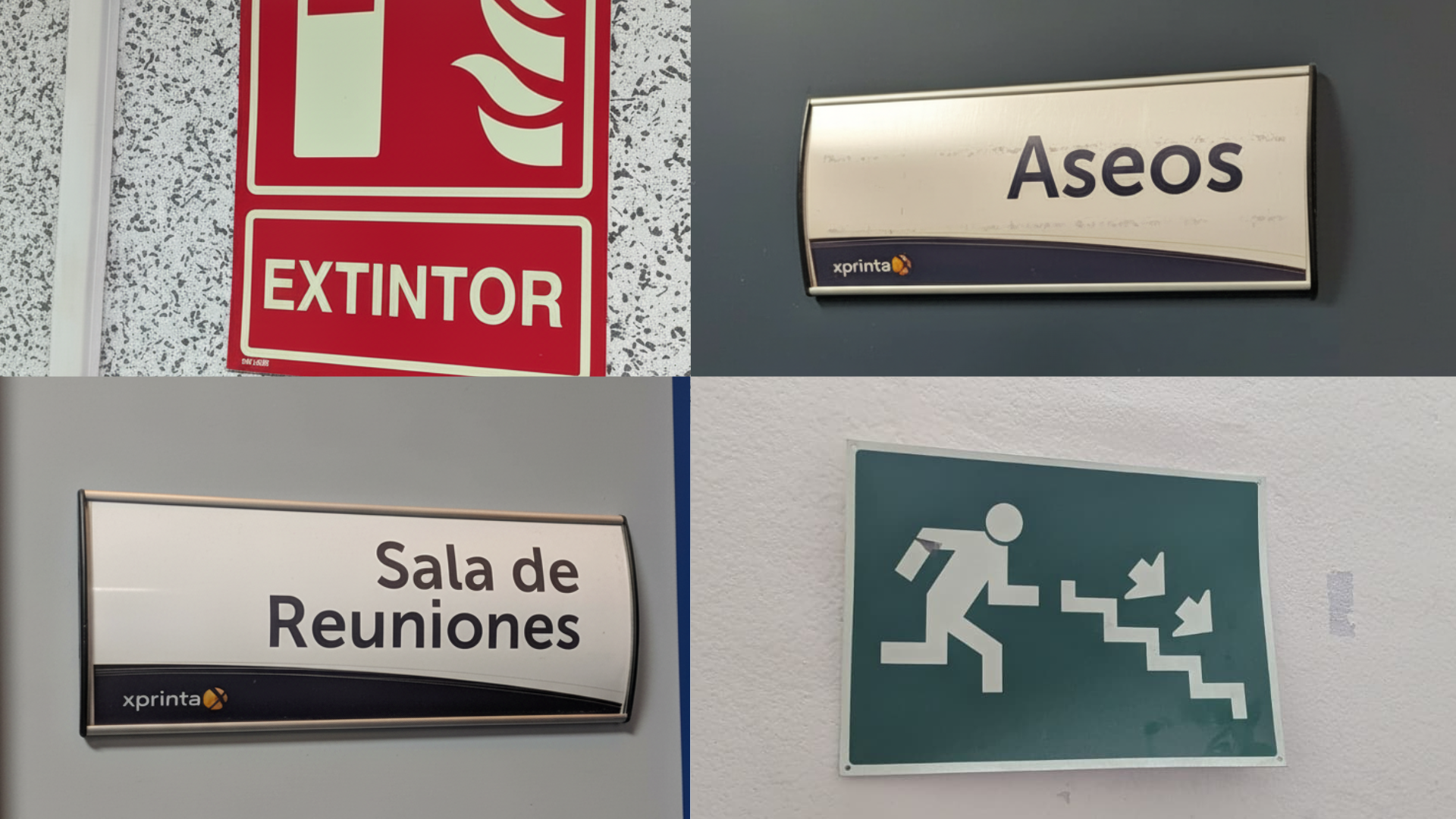
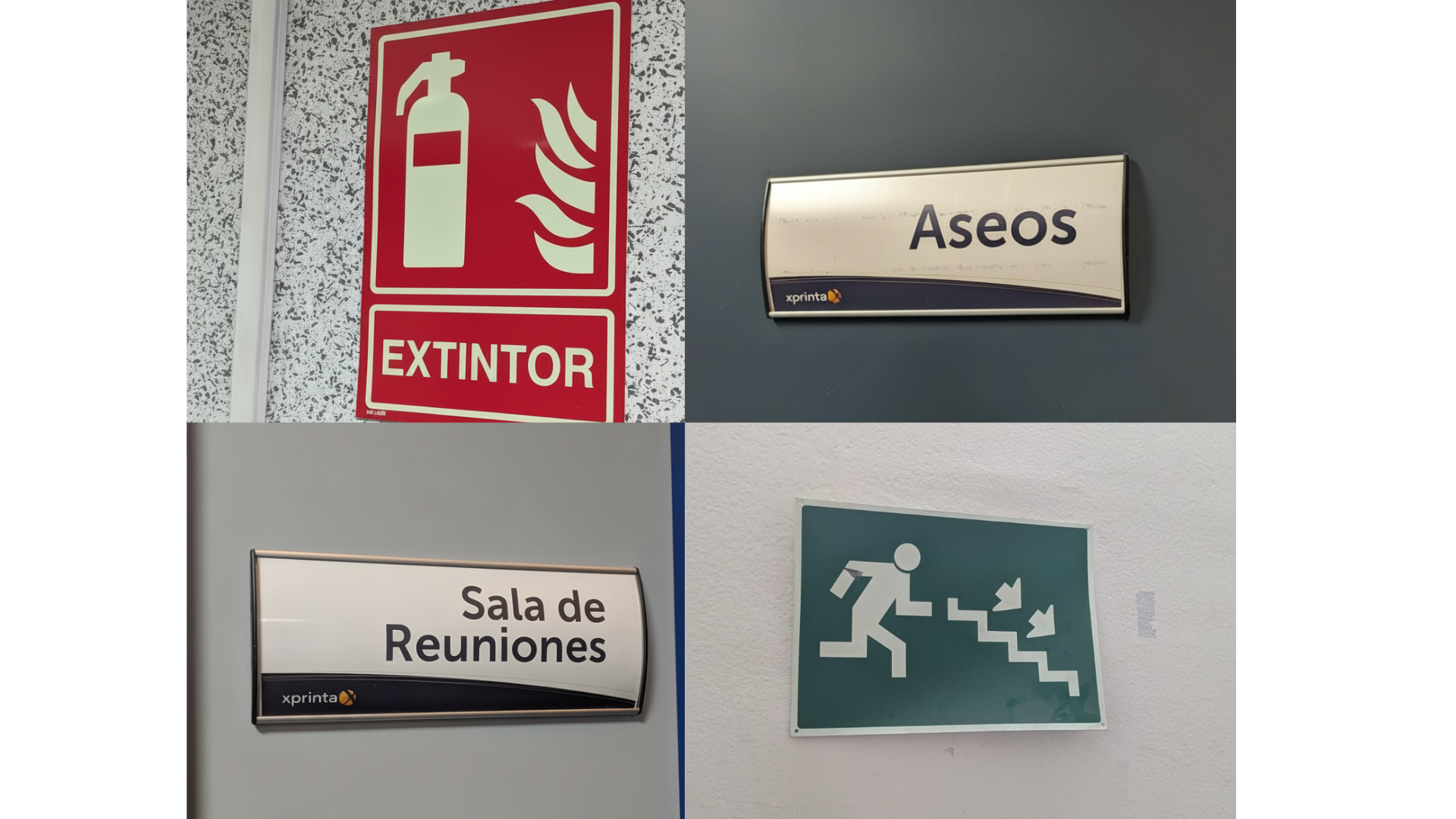
Clearly and standardised signposting of toilets, including adapted ones, is key. The placement of the sign must be strategic, on the right side of the door, with sufficient contrast and in an area that is easy to reach.
In vertical environments, accessible signage helps prevent risks and facilitates mobility.
Waiting spaces must incorporate signage that clearly indicates the use of devices such as information screens, ticket dispensers or charging points. These signals must be well contrasted and allow autonomous interaction.
Cafeterias, vending machines or rest areas also require understandable signage. From indicating their location to specifying whether they are accessible, these elements help create a more intuitive environment.
The key is that the signage is not limited to complying, but that it really accompanies the user throughout their journey through the space, anticipating their needs.
These tools provide dynamic solutions that adapt to different user profiles and allow a more complete and inclusive browsing experience.
Among the most common applications we find the Interactive touch screens , which allow you to select information in different languages or with text enlargement and read-aloud functions. They are ideal for building maps, reception menus or plant directories.
Another resource that is increasingly used are the QR codes integrated into the signs, which allow the user to access extended content such as explanatory videos, easy-to-read versions or audio descriptions. This solution is especially useful when poster space is limited.
Audio guides and audio descriptions facilitate the interpretation of visual information through an ear canal. They can be embedded in mobile devices or on screens located in key areas.
For the hearing impaired, Magnetic loops They are essential in customer service areas, as they allow direct communication through headphones. In addition, the possibility of incorporating Sign language interpreting through video guides or monitors is becoming more and more frequent.
Other emerging innovations include the augmented reality , which can overlay real-time directions via mobile devices, and indoor navigation systems by Smart Beacons , useful in large areas or spaces with multiple routes.
The key is that these technologies are well integrated, intuitive to use, and do not replace, but complement, physical signage. This ensures that anyone, regardless of their abilities, can access information through the channel that best suits their needs.
Every element of signage, from a clear pictogram to a braille panel or an interactive display, creates environments where everyone can move with autonomy, safety and confidence.
Good signage not only guides, but also communicates values. It communicates that the space has been designed for everyone, without exceptions. From the choice of durable materials to the use of interchangeable supports or assistive technologies.