
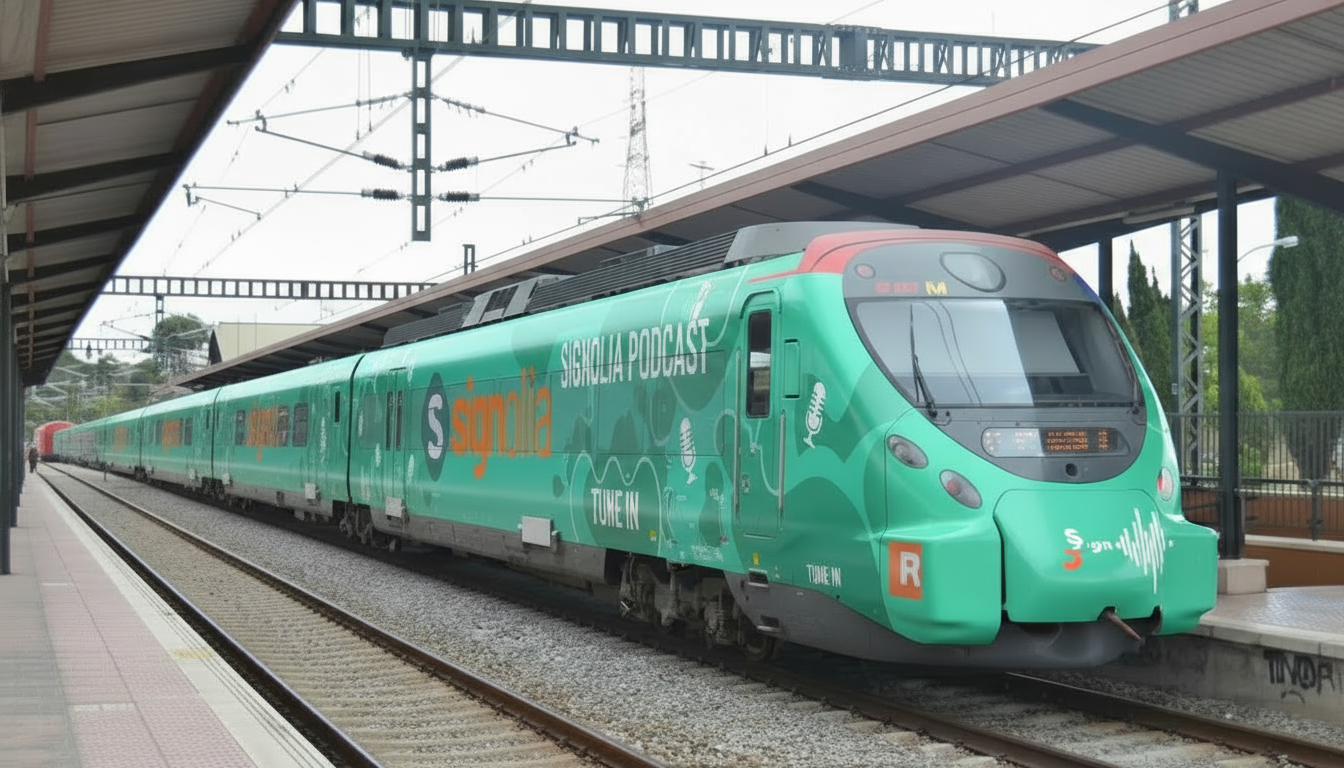

When thinking of vinyl applied to transport, it is common that the first thing that comes to mind is car wrapping in cars or private vehicles. However, this is only one of the many possible applications. There is actually a line of products known as Technical vinyl for transport , designed to respond to more complex needs than aesthetics. This type of vinyl fulfils protection, certification, surface renewal and maintenance optimisation functions in sectors that require specific regulations, such as aeronautics, nautical or railways. Far from being an exclusive market for specialists, knowledge of these applications opens up new possibilities for signage professionals who want to better understand the scope of the materials they use.
Car wrapping is only one part of the ecosystem. Technical vinyl can be used to reduce the downtime of a mobile asset, facilitate the refurbishment of interiors without construction work, protect surfaces from chemical or environmental agents, and extend the life of exposed materials. Instead of paint, varnishes or complete replacements, specific films are applied that fulfil mechanical and regulatory functions. These applications require certified materials, but also knowledge of how and where to implement them. Sectors such as aviation, boating, and public transport have already adopted it for its logistical, economic, and technical advantages.
In the aeronautical sector, vinyl is not applied freely. Indoors, you must comply with regulations FAR 25,853 , relating to flammability, smoke emission and toxicity. Only materials that pass this test can be legally installed inside the cabin. For the exterior, solutions approved by MROs or through an STC (Supplementary Type Certificate) are required, as any intervention on the surface of an aircraft involves airworthiness implications. In both cases, vinyl is used both for temporary branding and for refurbishment and surface protection. Protection solutions (PPF) are also available for high-wear areas such as leading edges, stabilizers or fairings.

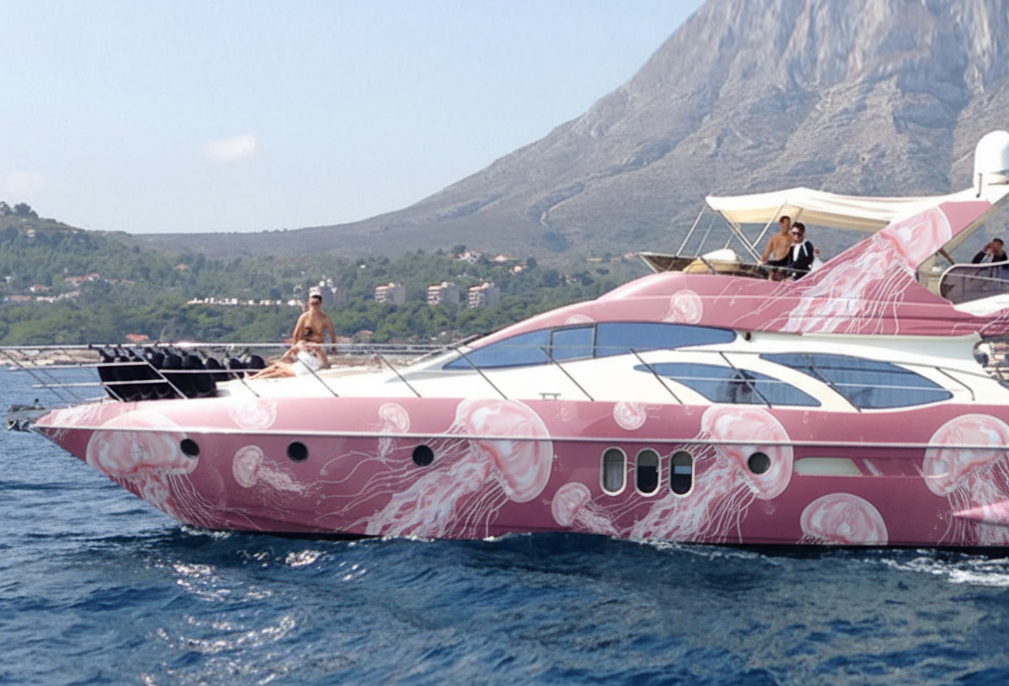
In the nautical sector, the use of technical vinyl has been consolidated in applications on hull deadwork and in interior renovation. On the outside, the vinyls protect the original gelcoat from UV radiation, salinity and mechanical abrasion. They also allow the colour to be modified without resorting to paint, and with much shorter intervention times. In interiors, vinyl is used as an alternative to traditional carpentry to update furniture, bulkheads or doors. These films must be IMO/SOLAS certified if they are applied on large vessels, cruise ships or ferries. The possibility of carrying out a complete refit without varnishes or lacquers, with minimal times and without odours, is one of the main advantages perceived by shipowners and fleet operators.
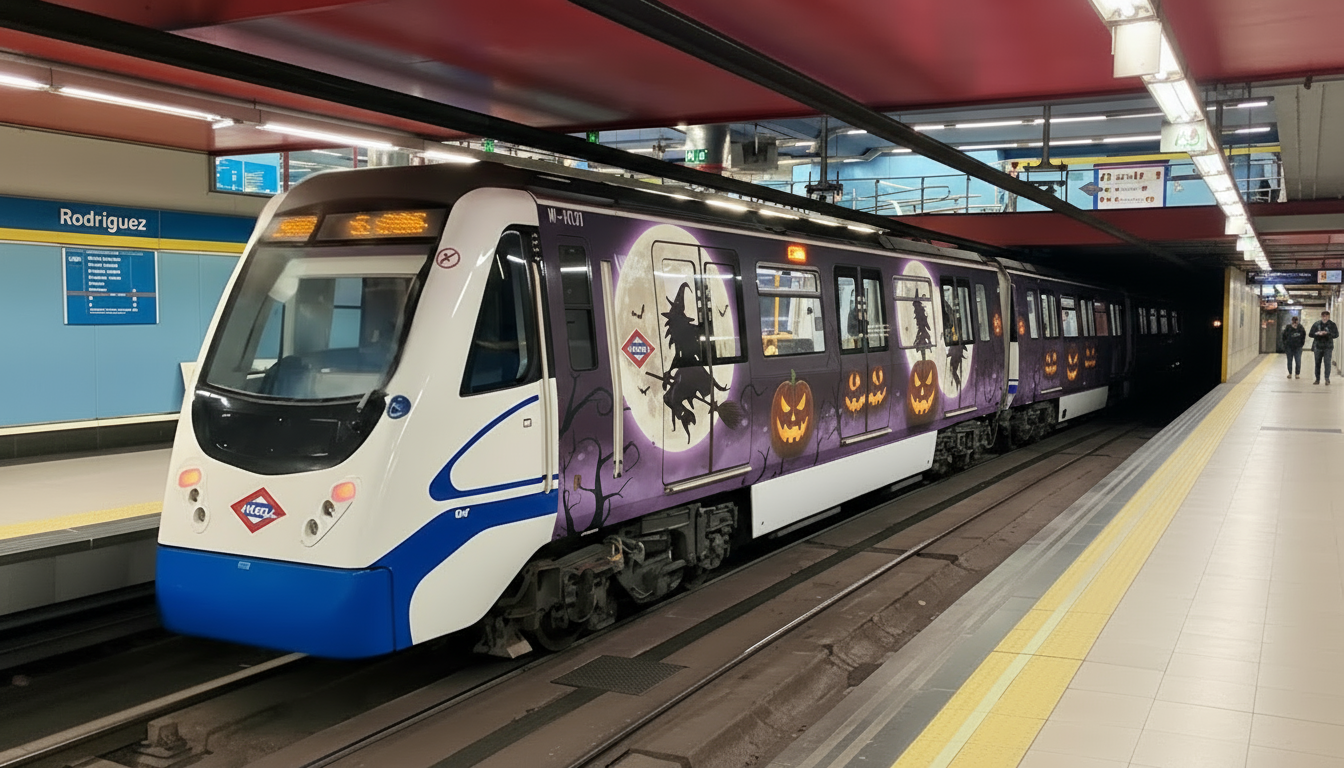
In trains, trams and subways, vinyl is mainly used for two purposes: temporary advertising campaigns in carriages and, above all, as technical protection against vandalism. Anti-graffiti laminates allow graffiti and scratches to be removed by simply replacing the surface layer, which drastically reduces cleaning and maintenance times. These materials must comply with the European standard EN 45545-2 , which regulates the reaction to fire, smoke and toxicity in railway vehicles. The selection of certified systems (vinyl, adhesive and laminate combined) is key to accessing public tenders. It is an application that is not very visible to the end user, but essential for operators and maintenance companies.
Delivery, transport or technical support fleets use technical vinyl as a way to maintain brand uniformity, but also as an asset conservation strategy. Vinyl protects the original paint from scratches, UV rays and wear and tear from heavy use. At the end of the lease or life of the vehicle, removing the vinyl reveals a body in good condition, which increases the residual value. This turns the investment in vinyl into indirect savings. In addition, it allows for makeovers or promotional campaigns without the need to immobilize vehicles for long periods. The main challenges in this sector are logistical: coordinating installations in large volumes of vehicles, ensuring chromatic consistency and minimizing downtime.
The Technical vinyl for transport It represents a much broader and more technical category of solutions than car wrapping. Its use in aeronautics, nautical, railway and fleets demonstrates its versatility and ability to adapt to demanding contexts, where not only the visual aspect matters, but also the function, regulatory compliance and operational efficiency. Understanding these applications allows us to better assess the capabilities of the material, and to project new opportunities for use in both industrial and institutional sectors.