


In the third decade of the twenty-first century, the evolution of physical commerce has shifted the axis of design from the Surface Aesthetics towards the Strategic Communication . In a market saturated with digital stimuli, the physical environment stands as the last bastion of tangibility, where to build a Spatial identity determines an organization's ability to Build loyalty and Economic value Sustained . Unlike simple ornamentation, this strategy bases the design on the architecture of the brand's values, transforming the square meters into Habitable narratives that connect emotionally with the public .
In order to accurately delimit both concepts, it is imperative to understand that the Commercial Decoration is often a Tactical response to the need for aesthetic updating, while the construction of a Spatial identity it's a Strategic imperative derived directly from branding .
While decoration focuses on the selection of elements such as colors or catalog furniture to make a "pleasant" space based on current trends, identity uses the environment as a Three-dimensional communication system that translates the brand's mission and values into sensory and functional experiences . In essence, a decorative intervention can be beautiful but lack soul if it does not respond to the purpose of the brand, while a well-constructed identity communicates this purpose even without the need for explicit signage .
Physical space acts as the "Handshake" of the brand, being the critical touchpoint where the value promise ultimately becomes tangible to the customer . Although the Visual identity (logo, colors, typography) represents what the company looks like, the Spatial identity is critical to defining how the audience feels about her during their physical interaction . This discipline not only seeks beauty, but also uses the environment to Materializing the personality of the organization , ensuring that every square metre contributes to a coherent narrative that reinforces recognition and distinction in a competitive market .
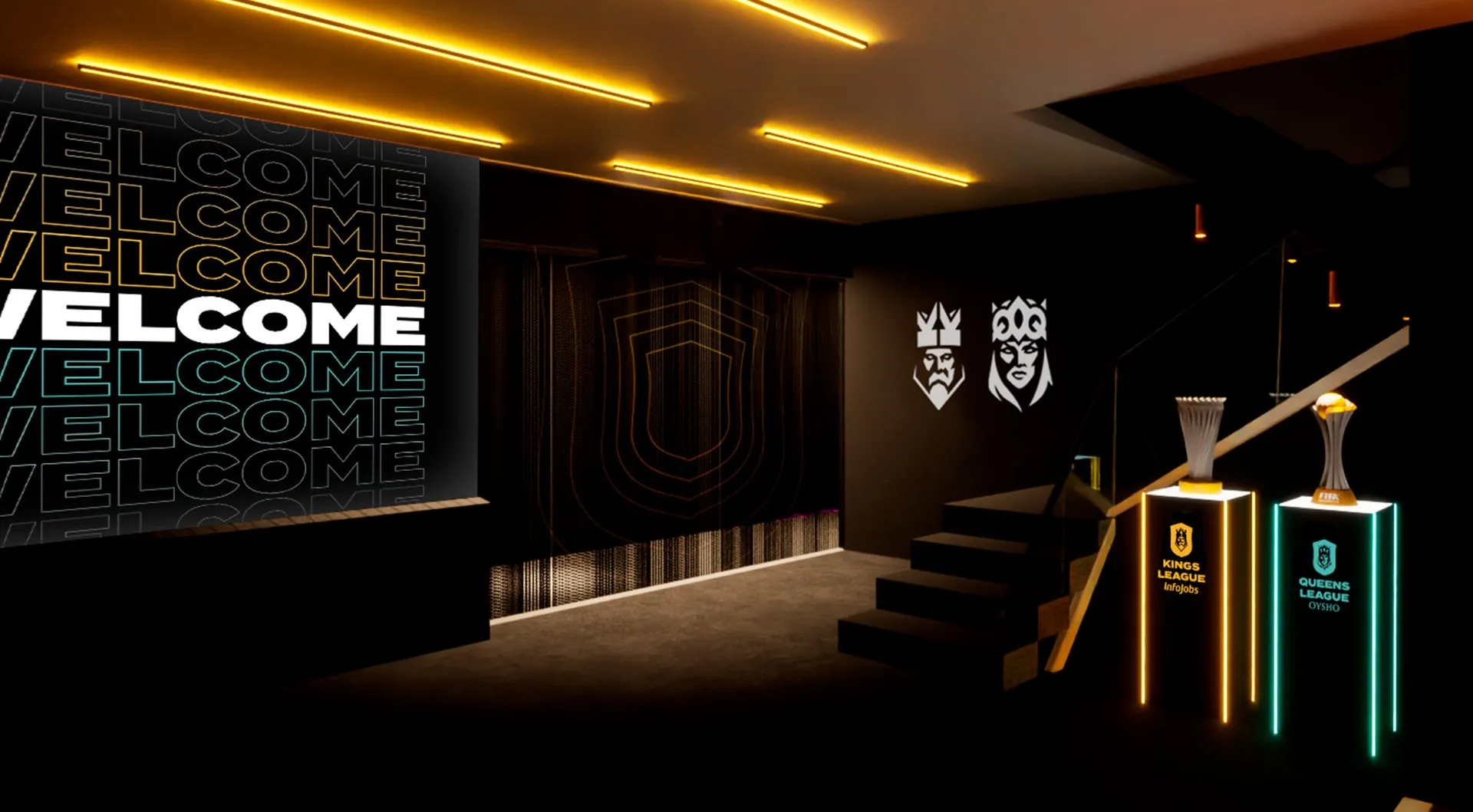
The construction of a Spatial identity is based on what is called the Architecture of values , a process that goes far beyond the transitory and ornamental . This strategic approach requires that the design answer the fundamental question of "Why" the brand exists , ensuring that every architectural and functional decision is aligned with its deep identity . By integrating these values into the environment, space ceases to be a neutral container and becomes a Strategic asset able to communicate the brand's message in a subtle but persistent way, facilitating a deeper and more lasting connection with the users who inhabit or visit the place .
In today's context, the distinction between decorating an environment and developing a Spatial identity is what allows an organization to generate Loyalty and recognition sustained over time . Decoration, being subject to fads and passing trends, requires frequent updates and can be generic; On the contrary, a well-executed spatial identity offers a Architectural differentiation which is difficult to replicate by the competition . This differential value not only improves the perception of the brand, but also translates into a Real Economic Value , as environments that tell a consistent and authentic story tend to retain their customers better and position themselves more strongly in the consumer's mind .
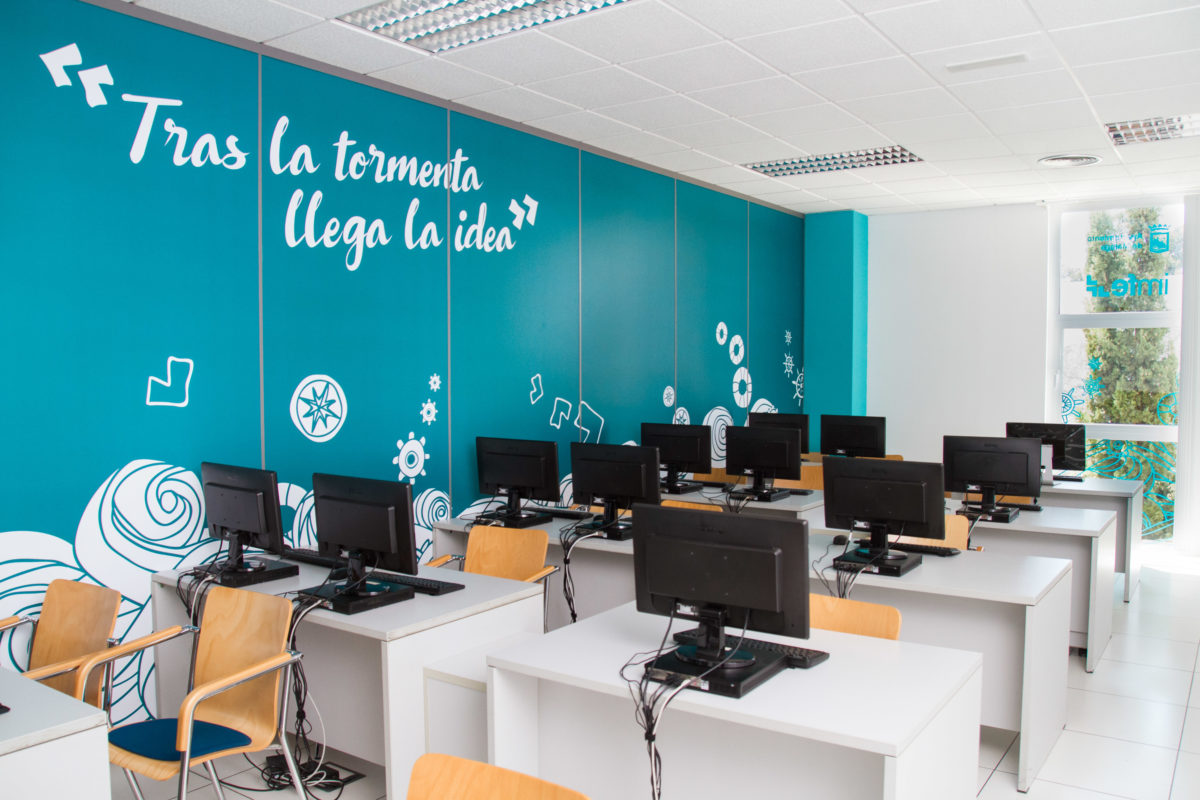
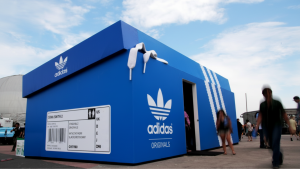
The Spatial identity redefines the work or sales environment as a Three-dimensional communication system , where each physical element has a specific narrative function . Unlike commercial decoration, which is often limited to the visual, spatial identity seeks to create Sensory and functional experiences that resonate with the brand's personality . This approach allows the customer to "Viva" the brand through their senses, turning the act of purchase or the stay in an office into an immersive experience that reinforces the previous visual identity (such as the logo or the color palette) in a much more More powerful and memorable .
To conclude this analysis, it is vital to recognize that the design of spaces has evolved towards a Strategic Communication where the Spatial identity is the undisputed protagonist . It is no longer enough to have a "beautiful" premises or follow the latest trend of catalog furniture; Successful companies are those that manage to make their physical spaces a faithful reflection of their essence . Betting on a construction of Strong identity in the Physical environment ensures that the brand maintains its relevance and ability to impact , transforming the infrastructure into a living communication channel that strengthens the bond with its community and ensures its long-term competitiveness .
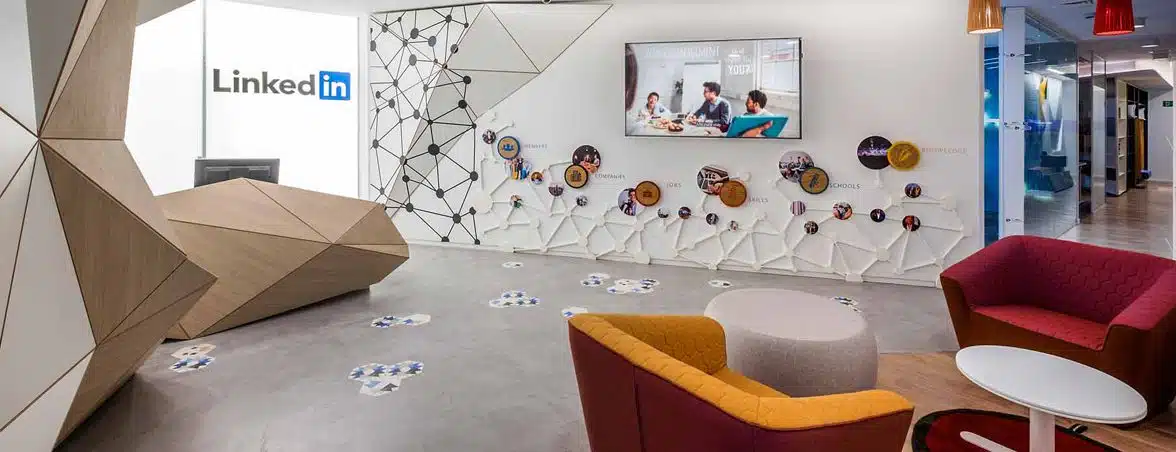
The transition from traditional decoration to the creation of a Spatial identity It represents a necessary paradigm shift for any contemporary brand. While decoration remains on the surface of the ornamental and transient, spatial identity builds a tangible bridge between company values and user experience . Investing in this strategy not only improves the aesthetics of a corporate store or center, but also consolidates the brand narrative, fosters customer loyalty and generates real differentiation in an increasingly saturated and digital market