
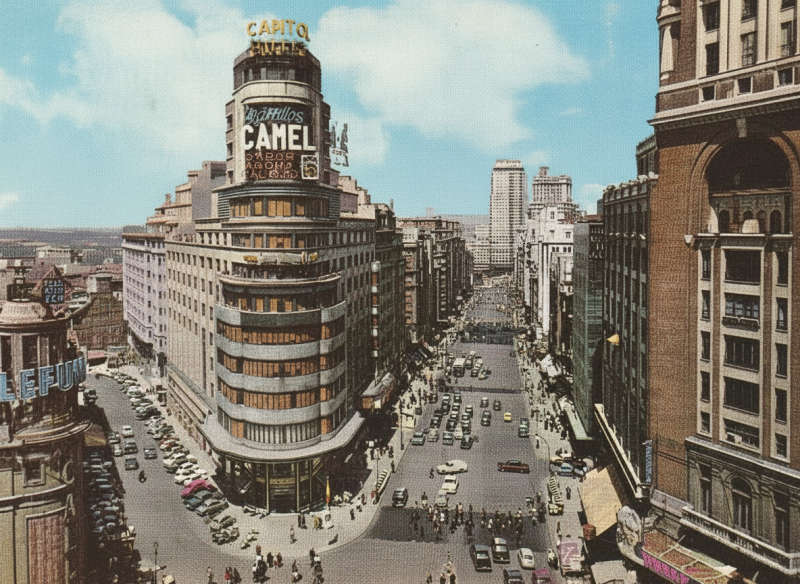
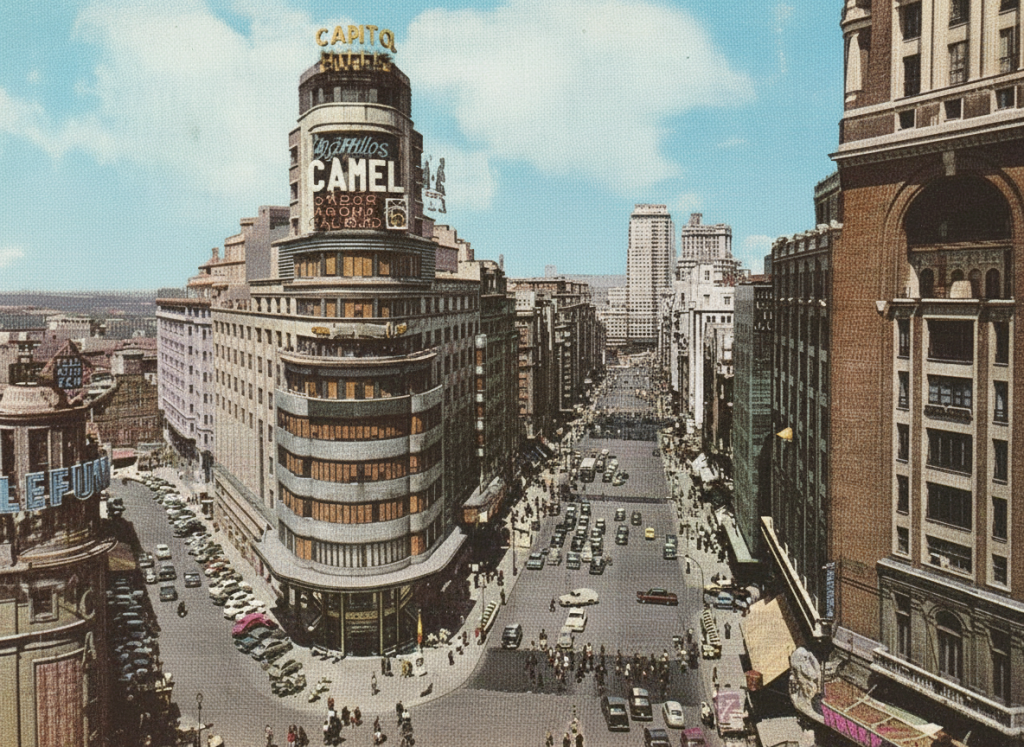
The contemporary city transcends its architecture to reveal itself as an example where each historical era leaves a legible mark on its facades. In this fabric of signs, the Classic Commercial Signage emerges as a fundamental pillar of the Urban graphic identity , transforming the Everyday landscape in a visible and emotional archive of the Social Life . These signs, which were originally mere advertising instruments, have evolved to become Graphic heritage and silent witnesses of the economic, artistic and social evolution of cities, acting as a collective voice that narrates the History of local commerce and the feeling of identity of its inhabitants.
The Urban graphic identity in Spain has been shaped through a rich history of Supports and techniques that reflect the cultural changes of the country, from the tabulae ansatae until the emergence of the Neon in the 30s . During the XIX and the Modernism , materials such as carved wood , the glass painted on the reverse and the Ceramics of Manises or Triana established a standard of artisanal refinement in pharmacies and century-old shops. With the arrival of developmentalism in the 50s and 60s, the Urban graphic identity incorporated typographies Script and materials such as Injected plastic , creating a visual landscape that we recognize today as part of our Material and emotional memory . Icons such as the Tío Pepe in the Puerta del Sol show that these pieces go beyond advertising: over time they become Symbols of the neighborhood and in References to orient oneself.
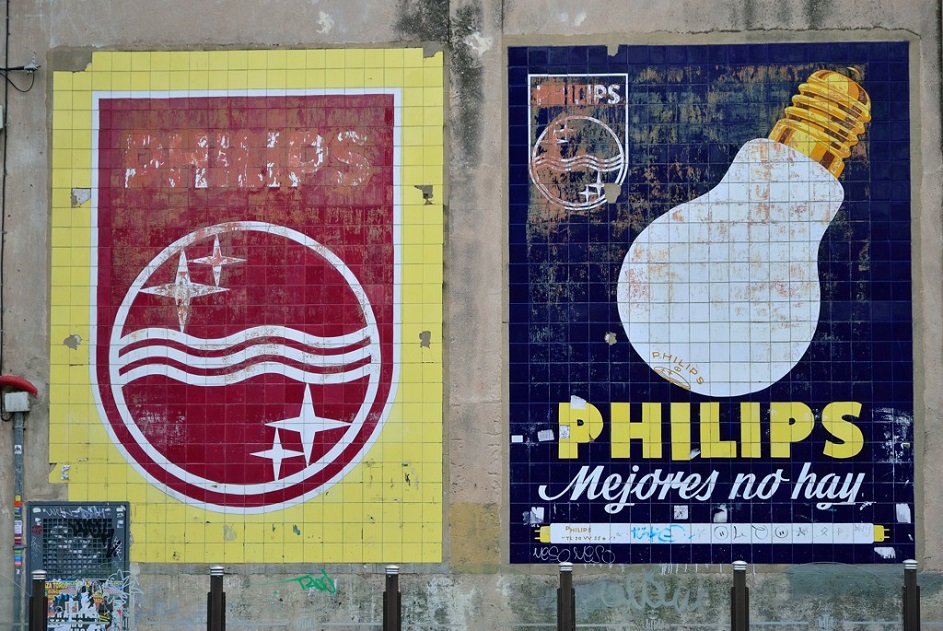
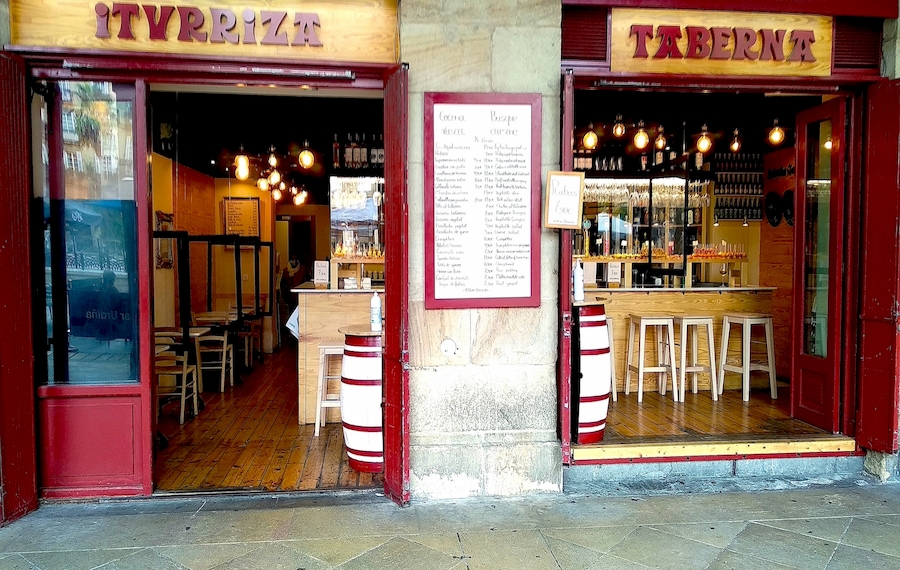
Spain does not have a single commercial aesthetic, but a constellation of voices that enrich the Urban graphic identity according to the resources and traditions of each region. In Seville and Valencia, the Ceramics is the dominant visual pillar, using Tile that resists the Mediterranean sun and links trade with the Local pottery crafts , as can be seen in the Triana neighbourhood. On the other hand, in the Basque Country, the Urban graphic identity It manifests itself through the " Basque Letter ", an identity marker that uses typography as a sign of Belonging to the place . While Madrid stands out for its Glass Display Cases engraving and gold leaf , cities such as Santiago de Compostela present an identity mediated by regulations of extreme sobriety that favor the Wrought iron and the i Discrete architectural integration , demonstrating that each city possesses a " Accent » Unique graph conditioned by its climate, its history and its municipal regulation.
The Urban graphic identity cannot be understood without the mastery of noble materials that require a Technical expertise today almost disappeared, as is the case of the Painted glass on the reverse, a technique of extreme difficulty where the artisan works in mirror and applies layers of gold leaf and paint to achieve a Depth unreachable by digital means. Along with this sophistication, the Classic Neon In the 1930s, he introduced a three-dimensional light dimension by blowing glass tubes by hand-blowing glass tubes, turning the night façades into places of orientation and modernity that still today, as in the case of the Owl of the Diagonal, act as beacons of collective memory. This technical richness is completed by the use of corporeal letters in bronze or steel, which provide a solid architectural relief, and the lettering Hand Painted with a brush, where the professional letterer adapts the typography to the texture of the stone or plaster, injecting a "Humanity" and a handcrafted variation that standardized vinyl is unable to replicate. By focusing on these processes – from tile baking to metal casting – it becomes clear that the Urban graphic identity it is, above all, the result of a Manual Work Ethic which gives each neighborhood a texture one Brightness and a Durability that the ephemeral trade of franchising has begun to erode.
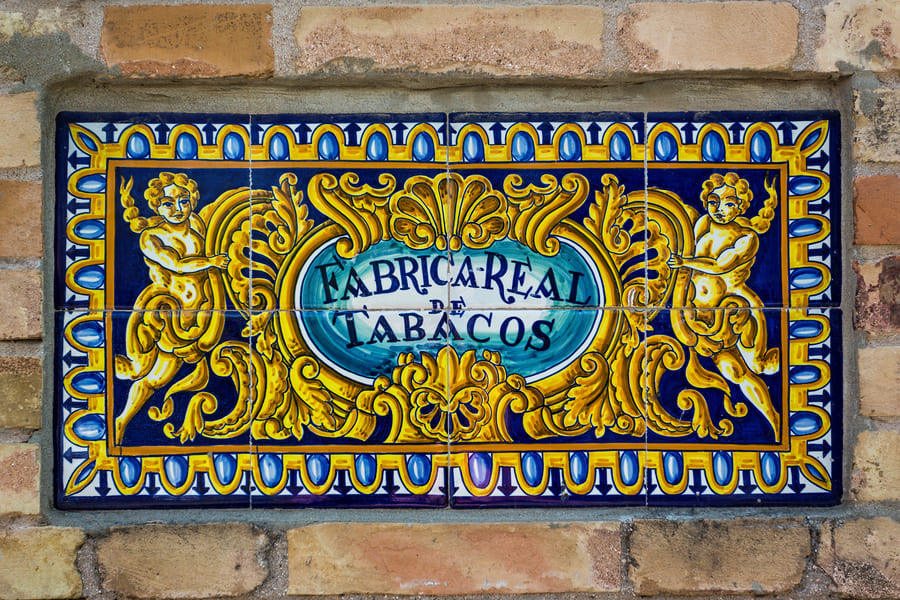
In the face of the Mass disappearance of signs due to the Gentrification and the Business Closing traditional, the Iberian Network in Defence of Graphic Heritage , founded in 2020, leads the Protection of this Urban graphic identity . This network operates through local associations such as Paco Graco in Madrid, which Rescue signs of closed premises to treat them as Common Goods or Recovered Letters in Valencia, which Document and redraw digitally Traditional typefaces to avoid its oblivion. The work of these groups Transcend nostalgia ; It is an effort of registration, inventory and cataloguing that seeks that public administrations recognize these signs as elements of the landscape as valuable as the cataloged monuments, fighting against the visual homogenization imposed by global franchises.
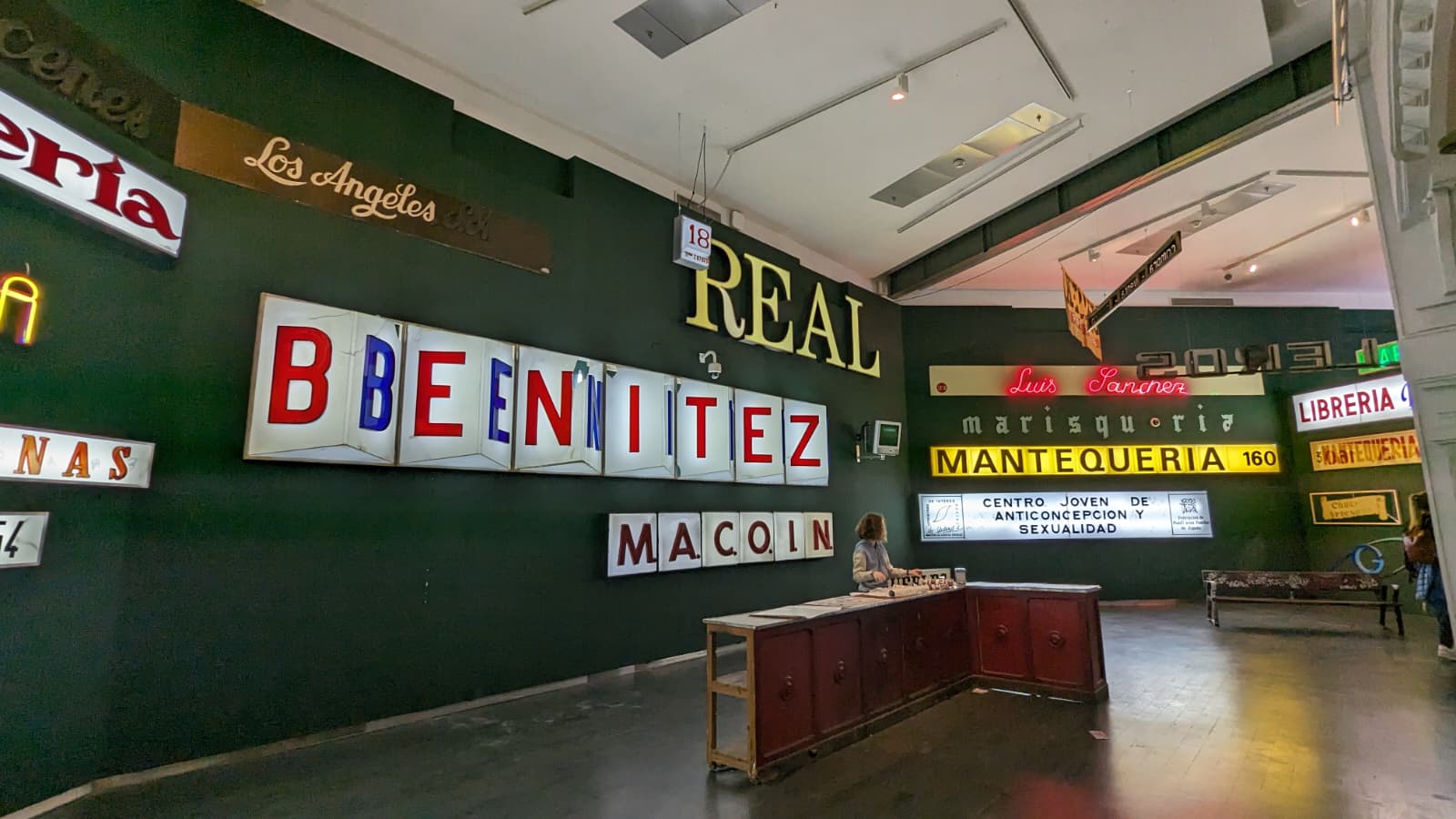
The socio-economic transformation of neighborhoods, or gentrification, entails a Direct risk for the Urban graphic identity : the replacement of the Traditional local graphics for one Generic aesthetics and globalized . When a franchise replaces a traditional business, the artisanal sign usually disappears in favor of plastic or vinyl light boxes that ignore the morphology of the building, generating what is called " Non-Places «. This process not only Impoverishes the visual landscape, but causes a Social disorientation and the Loss of references neighborhood, weakening the collective memory by eliminating the material fingerprints that allow the reading of the City as a living and diverse organism .
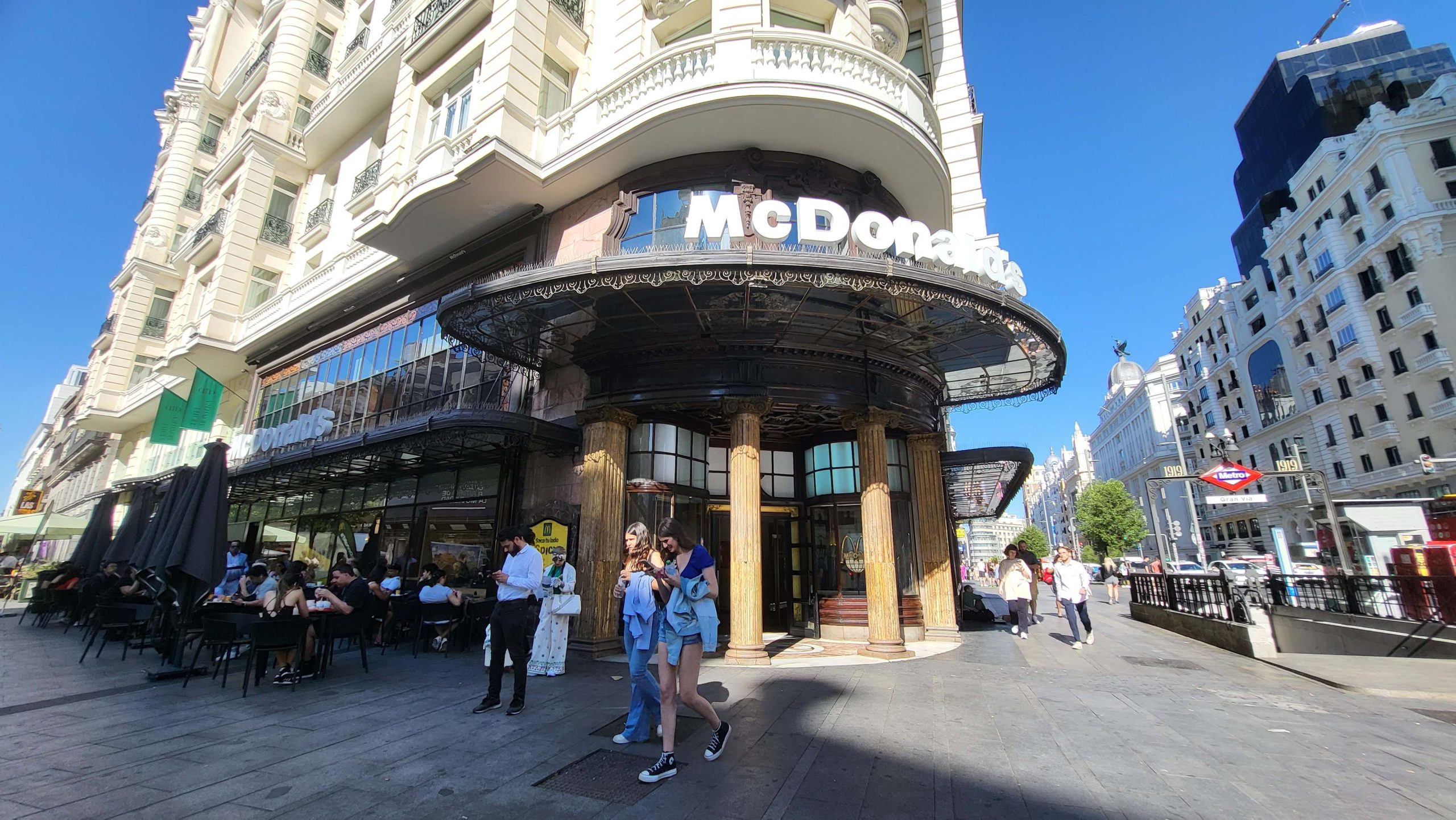
Despite technological pressure, in 2026 there will be a resurgence of the Traditional Lettering as a strategic tool for brands seeking authenticity and differentiation. Workshops Neo-craftsmanship in cities such as Granada and Madrid they are recovering the use of brushes and gold leaf to give businesses a Urban graphic identity durable and with « Soul of trade «. This tendency towards the Handmade aligns with a growing demand for uniqueness, where the use of sustainable materials and techniques of illustration vintage allows today's signs to blend harmoniously into the built environment, ensuring that the typographic landscape of the future remains a Human Communication Space and respectful of his Historical heritage .
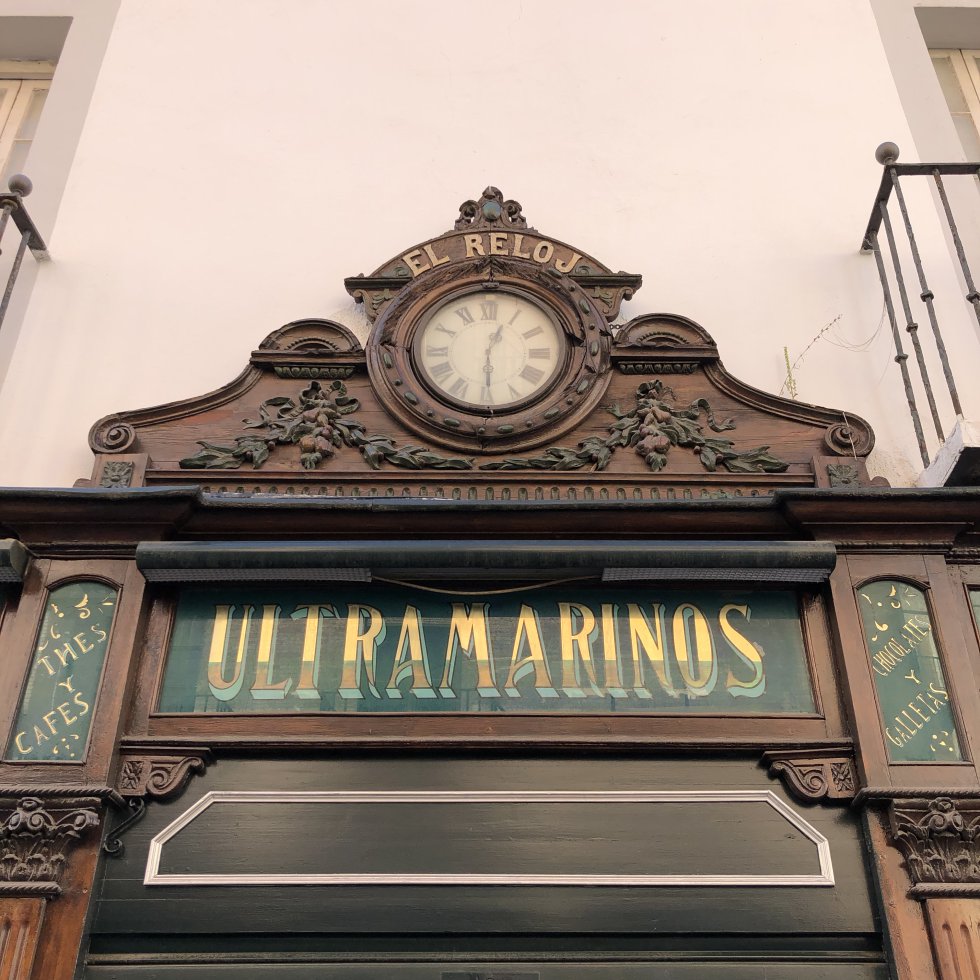
The Urban graphic identity is the invisible thread that connects the Economic and visual history of a city with the Emotional memory of its inhabitants. The Classic signs , far from being simple advertisements, they function as infrastructures of stability that allow us to inhabiting and recognizing our streets in an increasingly homogeneous world. Preserve This Graphic heritage it is not an exercise in melancholy, but a Urban Planning Need to maintain Readable cities , authentic and human. By protecting a neon sign, a ceramic panel or a metal letter, we are ensuring that the Visual story of our neighborhoods Stay alive for the next generations.