
Introduction to Hand lettering with Alina Kiliwa
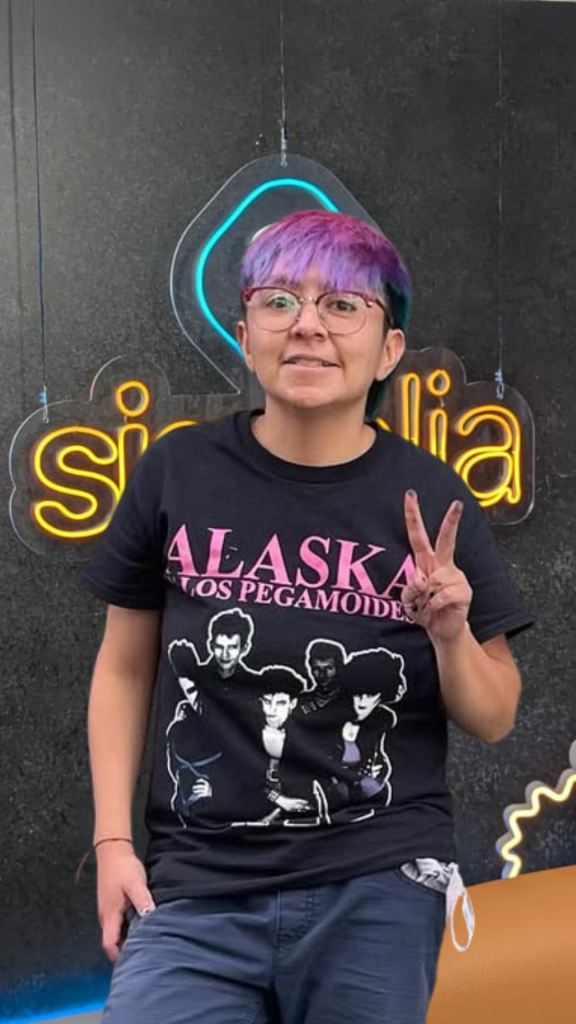
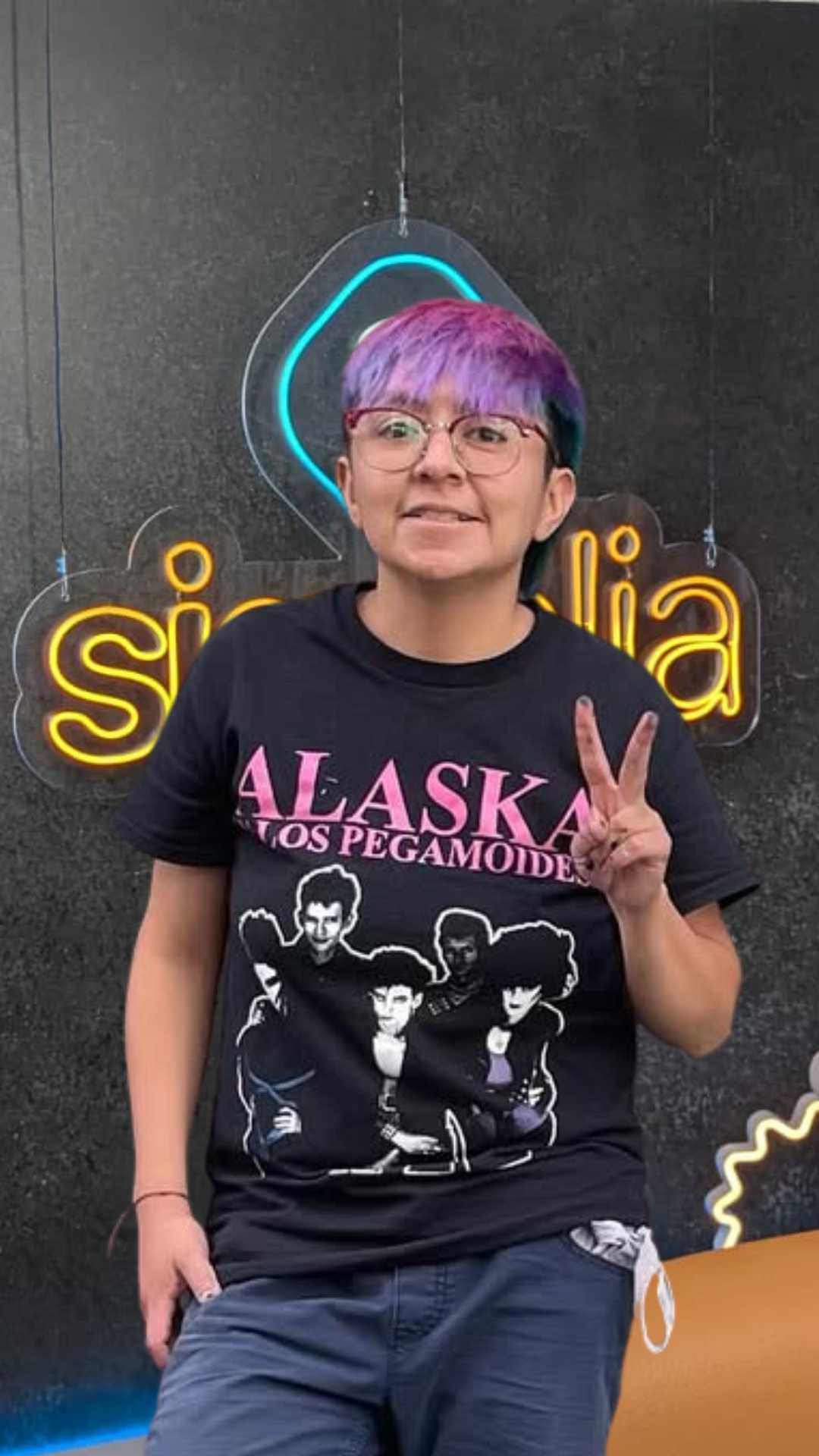
We begin by introducing Alina and her connection to the Hand lettering from an artistic and cultural perspective. We talked about how this discipline defines the visual landscape of many cities and how it connects artists from all over the Spanish-speaking world.
Childhood, observation and love for signs
From a young age, Alina was fascinated by hand-painted signs. Although he studied graphic design, his true passion was always Hand lettering , discovering it as a visual language that unites technique, expression and urban legacy.
Self-learning and challenges to train
The lack of academic spaces in Mexico forced Alina to train on her own. Through trial and error, and through access to communities and workshops, he began to master the techniques of Hand lettering , facing material and cultural barriers.
International workshops and career development
Thanks to workshops with Latin American experts, he perfected his style. She learned to work with brushes, enamels and different surfaces, consolidating her profile as one of the emerging artists in the field of Hand lettering in Mexico and abroad.
Tools, painting and manual techniques
He details how he chooses materials for his projects, from glass to walls. Explain why the Hand lettering It requires specific knowledge that is not taught in conventional schools, and how environmental regulation affects its practice.
Customers looking for authentic signage
Many brands seek to convey authenticity through Hand lettering , especially in industries that want to stand out visually in urban environments. Alina highlights how this style has become a trend in physical and digital spaces.
Murals, Street Art and Protest
Alina is part of collectives that use the Hand lettering as a means of political expression. Through posters and murals, she takes messages to the street that generate social, feminist and cultural reflection, turning the visual into a tool for change.
Artificial intelligence vs. manual art
We discuss how AI is entering the world of design, but it cannot replicate the essence or emotional impact of AI. Hand lettering . For Alina, the value of human stroke and the connection with materials are irreplaceable.
The disappearance of graphic heritage
We are talking about the risk that traditional signs face in urban policies. The Hand lettering , in addition to communicating, preserves the visual memory of cities. In Mexico City and Madrid, groups are fighting to protect these cultural elements.
Teaching signage to new generations
Alina shares her experience as a teacher at Domestika, where she teaches the basics of Hand lettering new talents. Her course seeks to democratize access to this craft and preserve its techniques for future generations of visual artists.
Recognition at international festivals
From B-Murals in Barcelona to Pinta Malasaña in Madrid, Alina's work has been awarded for its quality and unique style. Their presence represents the internationalization of Mexican art and the revaluation of the Hand lettering .
Future of signage, networking and community
In closing, Alina reflects on the future of the profession and how social networks help to make the profession visible. Hand lettering . She is grateful for the creative community that promotes her and is considering new projects both in Mexico and in Europe.