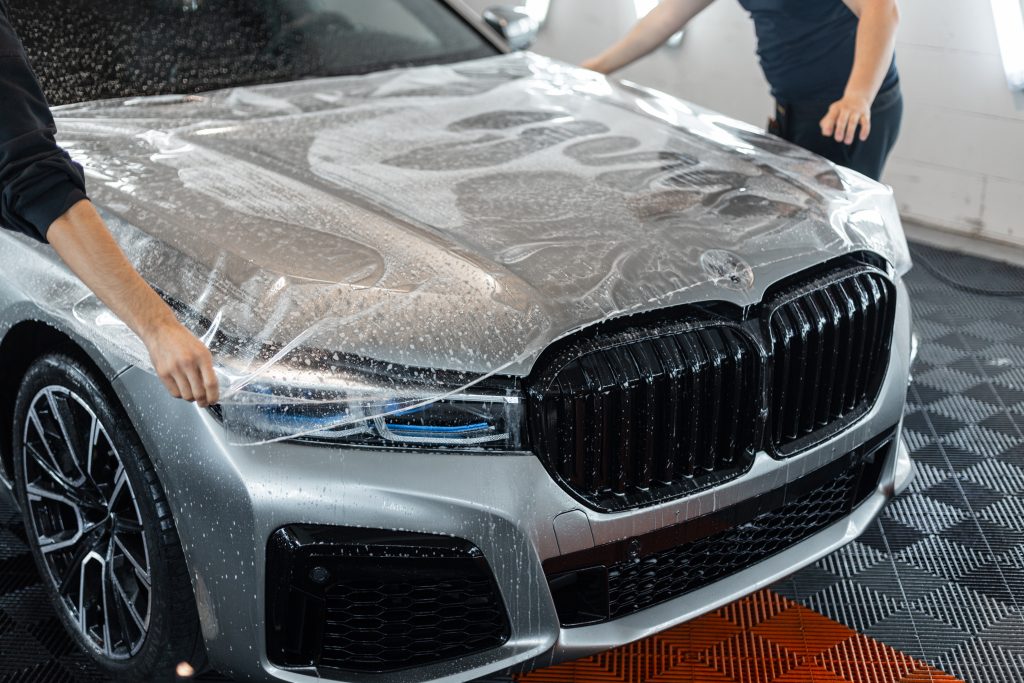
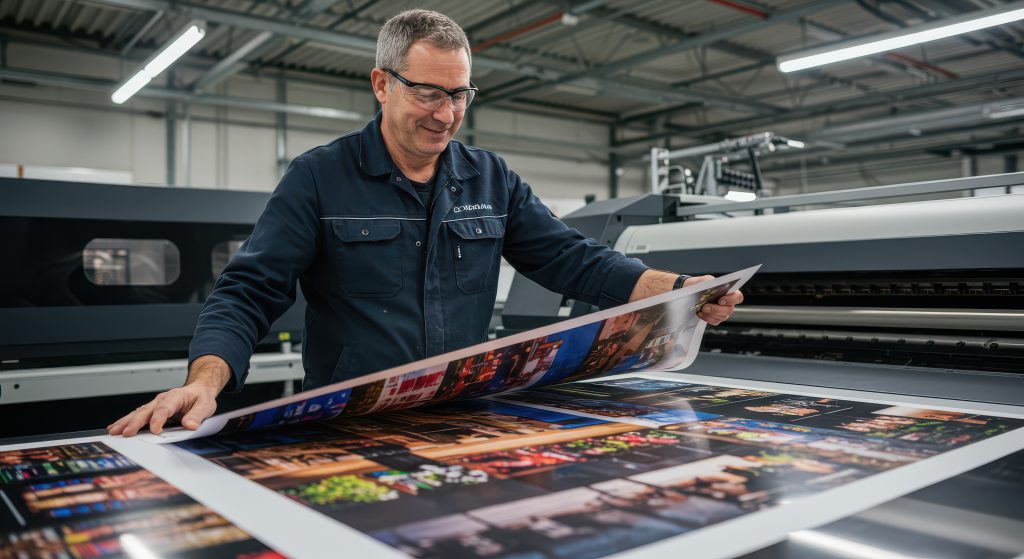
Talking about PPF is talking about an effective way to protect surfaces from daily wear and tear. Its function is to create a layer that receives impacts, scratches, and external agents first, so as to prevent damage from reaching the original paint. This is the basis of a solution that has gained prominence because it responds very well to common problems such as gravel, insect remains, ingrained dirt, or continuous use.
Furthermore, PPF has evolved a lot over time. Today it is no longer perceived as a basic film, but as a more refined, more transparent, more stable material with better finishes. Therefore, it is not only valued for the protection it offers, but also for its ability to better preserve the original appearance of a surface.
What is PPF?
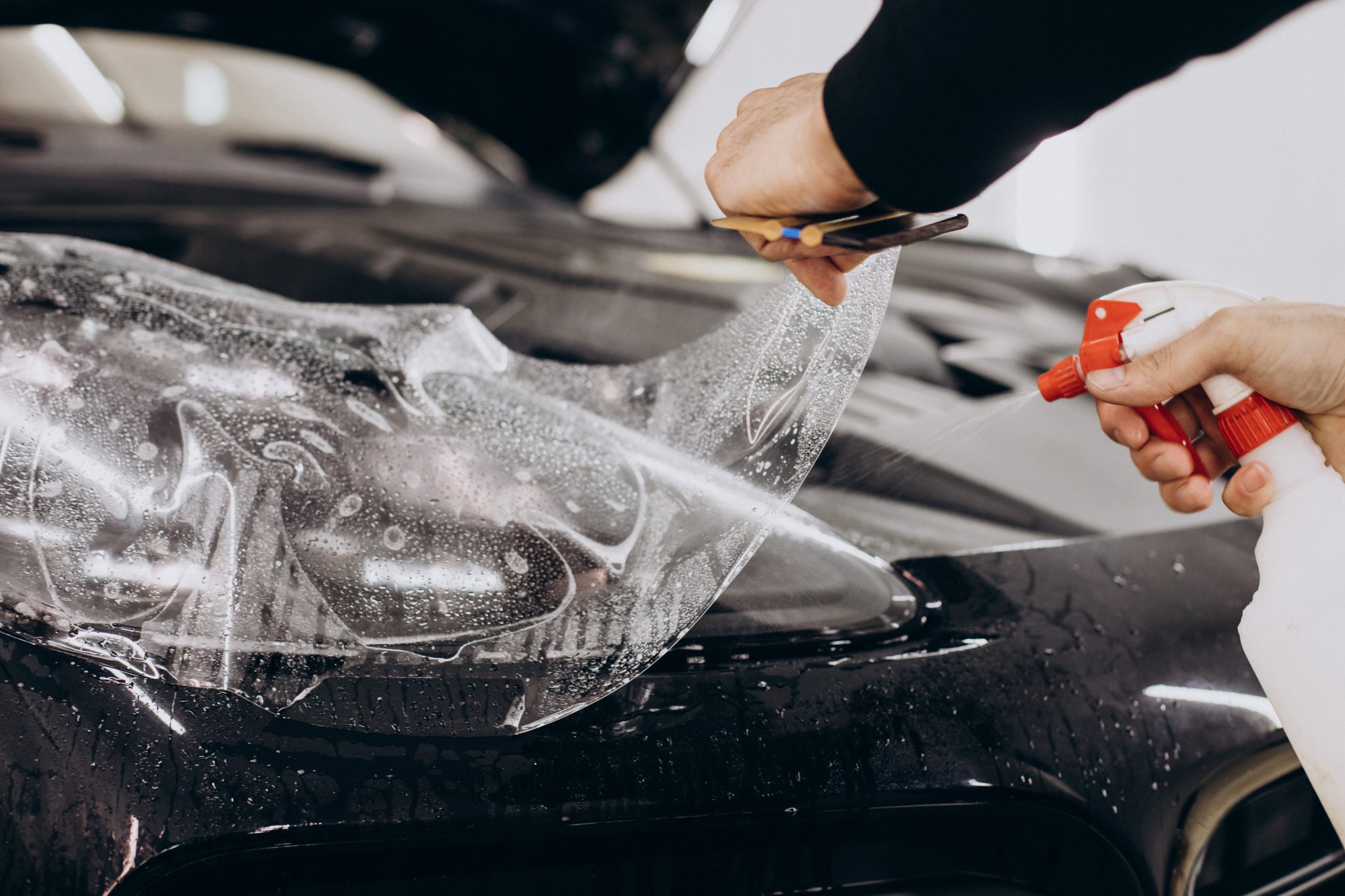
PPF is a self-adhesive film designed to protect a surface, especially paint. It acts as a physical barrier that absorbs some of the abrasion, small impacts, and many common chemical aggressions, helping the original finish to remain in better condition for longer.
Its current importance is not only due to the fact that protects, but that it does so in a more advanced way than other surface solutions. Over time, the material has improved in transparency, resistance, and finish, becoming an increasingly integrated and visually discreet option.
How it is made and what differentiates it from other solutions
One of the keys of PPF lies in its multilayer structure. It normally combines a main body of thermoplastic polyurethane, a top layer designed to resist micro-scratches and stains, an adhesive, and a backing for easy installation. This composition gives it elasticity, absorption capacity, and superior resistance to much finer solutions.
That is precisely one of its great differences. It is not designed solely to change the appearance of a surface, but to withstand real wear and tear. Its greater thickness and absorption capacity mean it is especially prepared for slow down micro-impacts, continuous rubbing, and gravel. Additionally, many current products incorporate self-healing properties or better performance against water and dirt, which also improves their maintenance.
Real benefits of PPF in daily life
Protection against small impacts It helps reduce damage caused by gravel, light scuffs, and marks that appear with daily use, especially in highly exposed areas.
Fewer visible micro-scratches Many current PPFs incorporate a top layer that can hide or repair superficial marks with heat, which greatly improves the appearance of the surface.
Resistance to aggressive agents It better protects against insect remains, resins, bird droppings, tar, and other elements that can quickly deteriorate the finish.
Greater stability against sun and the passage of time The most advanced materials are prepared to better resist UV radiation and reduce problems such as yellowing or loss of transparency.
Ease of cleaning Some versions have more hydrophobic surfaces, which causes water, dirt, and certain residues to adhere less.
Better aesthetic preservation By protecting the original paint, it helps maintain a cleaner, more uniform, and well-cared-for appearance for longer.
Resale value support It does not guarantee anything by itself, but it can help the vehicle or surface arrive in better condition over the years.
Overall, PPF stands out because it combines physical protection, chemical resistance, and visual preservation in a single solution.
Current uses and sectors with greater presence
Automotive, the dominant application
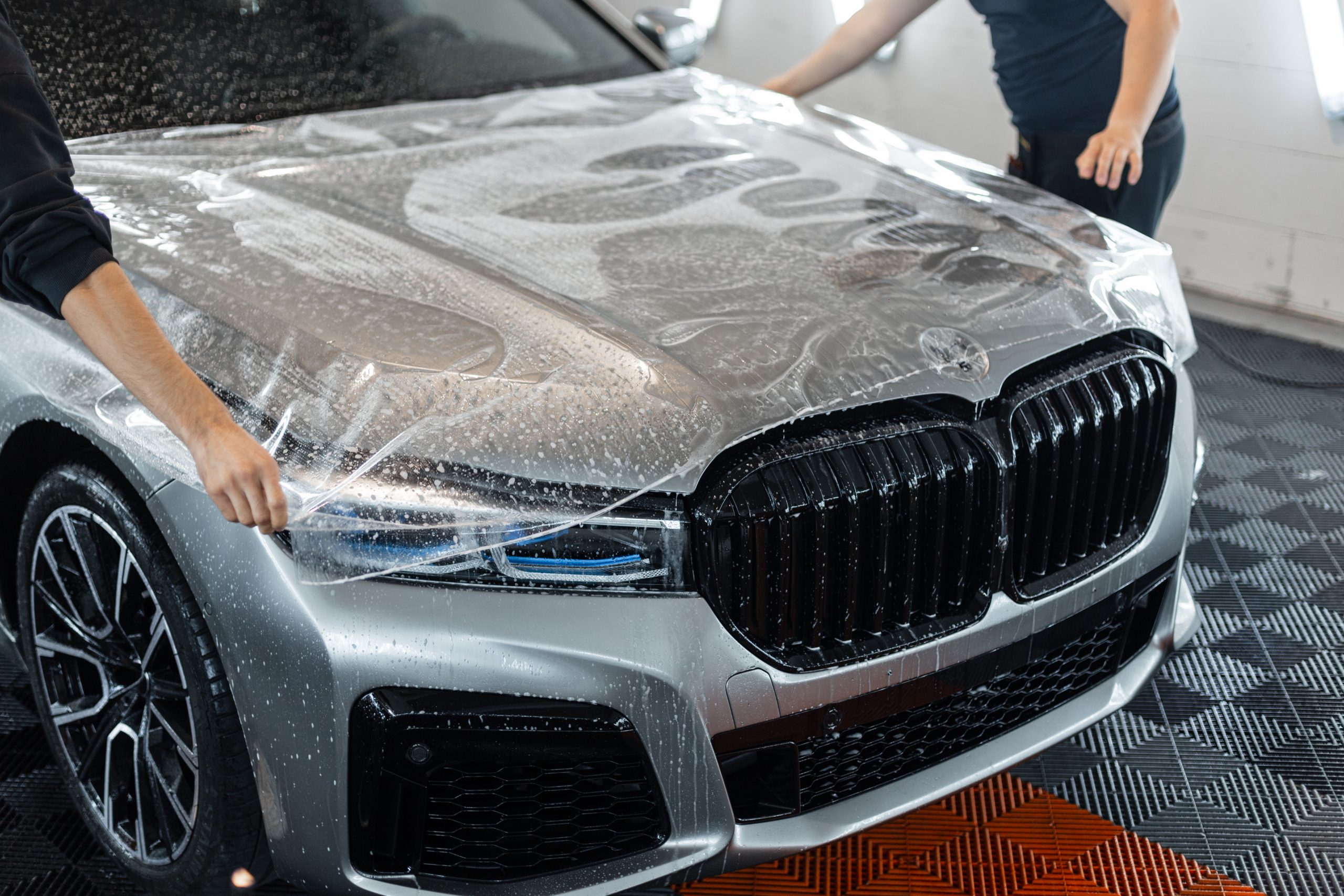
In automotive, the main use is in high impact areas such as bumpers, front edge of the hood, front fenders, rocker panels, mirrors, door edges, and areas downstream of the wheels.
From there, there are three common "levels" of project:
Partial coverage (critical areas): most common cost/benefit approach.
Full front (greater visual continuity and fewer seams/overlaps on large parts).
Full vehicle (maximum physical protection, especially for high-value or intensive use cars).
In fleets and commercial use, PPF is used for similar reasons (image protection, reduction of repetitive aesthetic damage), and some manufacturers explicitly recommend it for ‘personal and commercial fleet vehicles’.
Other sectors and surfaces
Although less visible to the general public, PPF (or very similar materials) is also used in:
RV, nautical and architecture: some PPFs are explicitly marketed as protective film for these markets, in addition to the automotive one.
Aeronautics (technological origin): there are application profiles and polyurethane tape/film data sheets for leading edges and protection against erosion/damage from foreign objects.
Electronics and other exposed surfaces: the use on screens and devices is mentioned as a logical extension of the transparent barrier concept.
Trends and innovation
Aesthetic evolution: more than transparency
PPF is no longer just invisible. Manufacturers are launching "Color PPF" lines that combine the protection of TPU with the aesthetics of vinyl wraps. This includes forged carbon fiber finishes, chameleon effects that change color depending on the angle of light, and matte satin finishes that emulate the most exclusive paints from brands like Porsche or Mercedes-Benz.
Sustainability and bio-materials
The future is also green. The transition towards Bio-based TPU is imminent. Some companies are producing polymers derived from renewable sources that reduce the carbon footprint of production by up to 50%, while maintaining the same durability and transparency as petroleum-derived materials. These materials are also recyclable and free of toxic components such as chlorine.
What to know before choosing it
Although PPF offers many advantages, it is advisable to fully understand its limits. It protects very well against minor impacts and daily wear, but it does not prevent serious damage or dents from strong blows. Also, not all scratches disappear, self-healing works mainly with surface marks, not with deep cuts.
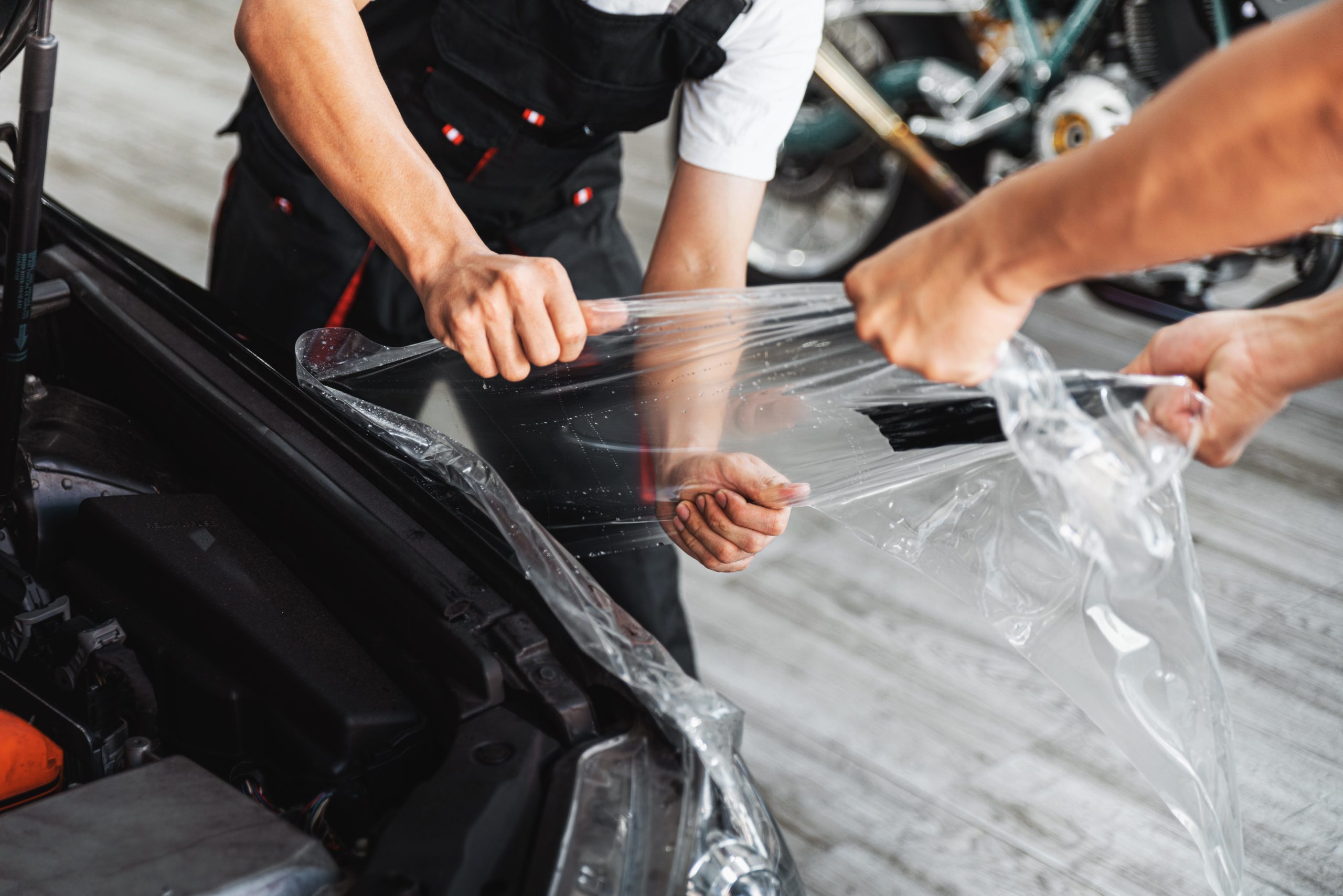
It should also be noted that installation is crucial. A good material poorly applied can generate edge problems, marks, trapped contamination, or visual defects. Therefore, it is not enough to choose a quality PPF, but the technique, the prior preparation of the surface and the subsequent maintenance also matter.
Compared to other solutions, PPF stands out when the priority is real physical protection. Decorative vinyl is more oriented towards aesthetic change, and ceramic coatings provide shine and ease of cleaning, but they do not have the same capacity to absorb impacts or act as a physical barrier against wear and tear.
Conclusion
PPF has established itself as one of the most complete solutions for protect the paint against the real wear and tear of daily use. Its value is not only in preventing minor damage, but in helping to better preserve the original appearance of the surface for longer, reducing the impact of gravel, scuffs, aggressive dirt, and continuous outdoor exposure.
In the case of cars, their utility is especially appreciated in the most affected areas, where good protection can make a difference clear difference over the years. It does not replace maintenance or make the bodywork invulnerable, but it does provide a very effective extra defense when seeking to keep the vehicle in better condition. Therefore, more than a trend, PPF has become an increasingly logical option for those who want protect, maintain and extend the aesthetic life of your car.
Senior marketing and advertising technician specialized in the creation of content for social networks and social media strategies. I help companies attract potential customers with effective digital strategies.
PPF for cars has become one of the most effective solutions for protecting paint against gravel, minor scratches, aggressive dirt, and daily wear and tear.