
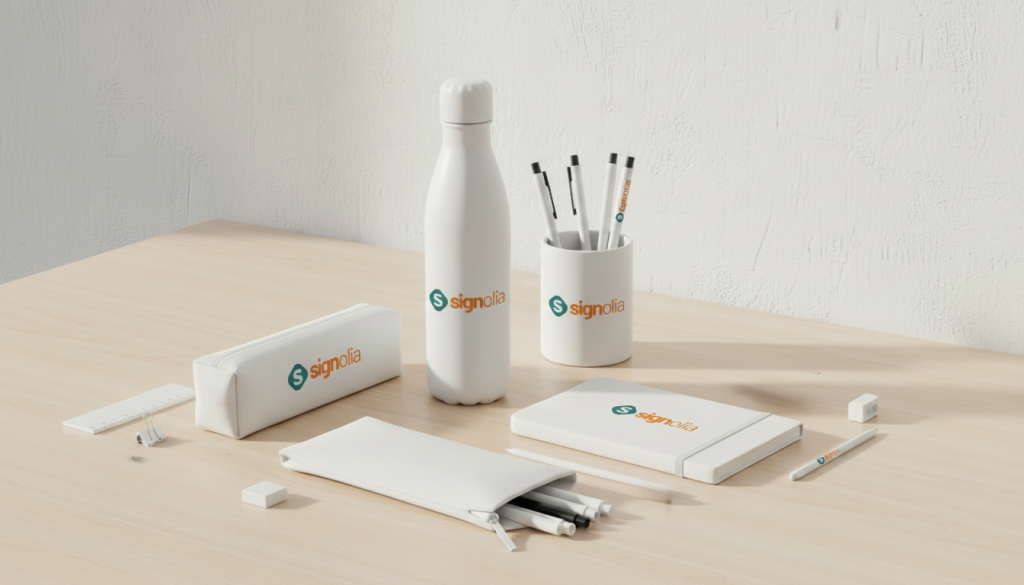
The customization of rigid products is a trend that goes beyond passing fashion: more and more companies and entrepreneurs are looking to adapt rigid items (such as glass, metal, wood, ceramics or plastic) to offer exclusive, eye-catching and value-added pieces.
In this blog we will analyze what this customization means, why it is relevant, what materials are used, what techniques can be considered (without focusing on a specific one) and how to approach a project in this area.
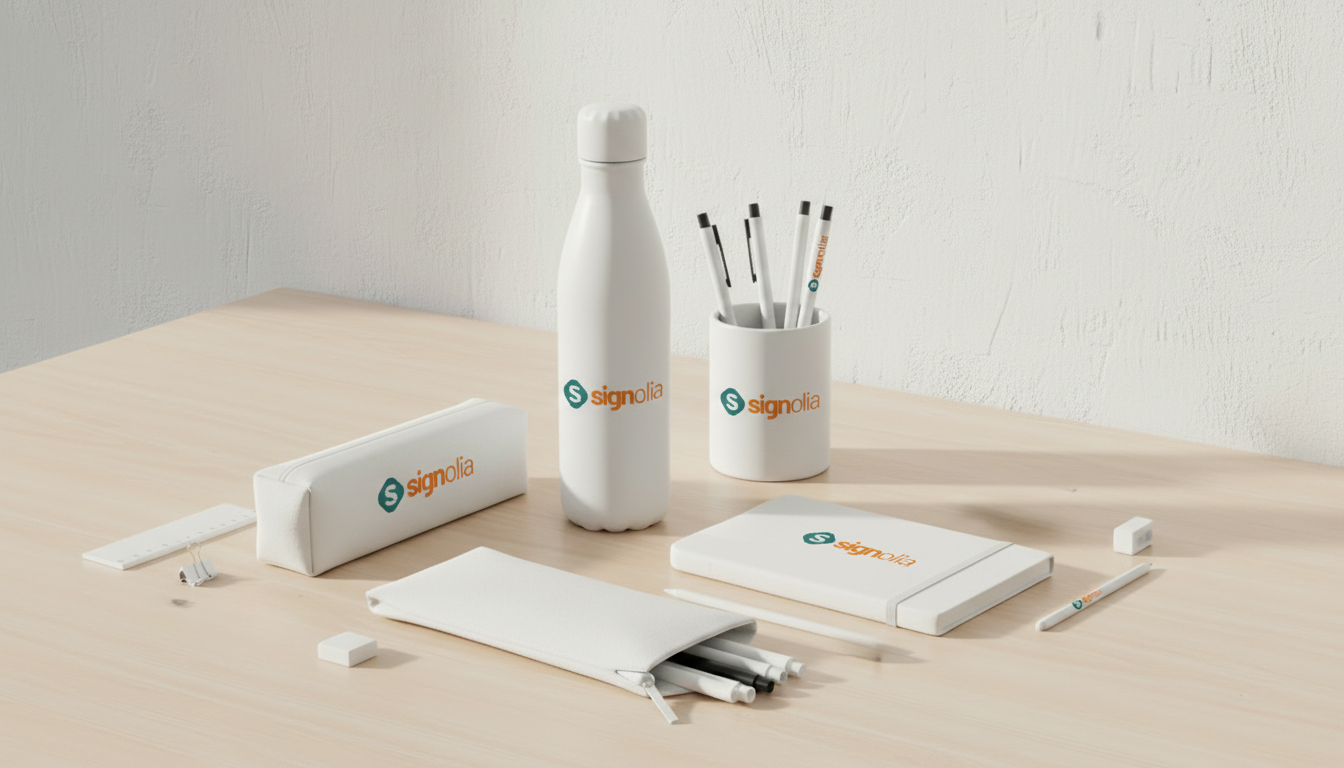
When we talk about rigid product customization, we refer to the process of adapting, marking, or decorating items with hard surfaces – non-textiles – to offer unique designs, logos, messages, or other graphic elements. Examples could be commemorative plaques, ceramic mugs, personalized metal bottles, hard device shells, wooden or metal decoration objects.
This type of personalisation offers significant added value: it allows you to create unique pieces or very limited series, with careful aesthetics, which can be used in the business environment (corporate gifts, merchandising), in retail (product design) or for the end consumer who is looking for something special.
The choice of material is key in the customization of rigid products, because they determine not only the visual finish, but also the durability, cost and applicable technique. Here are the main ones:
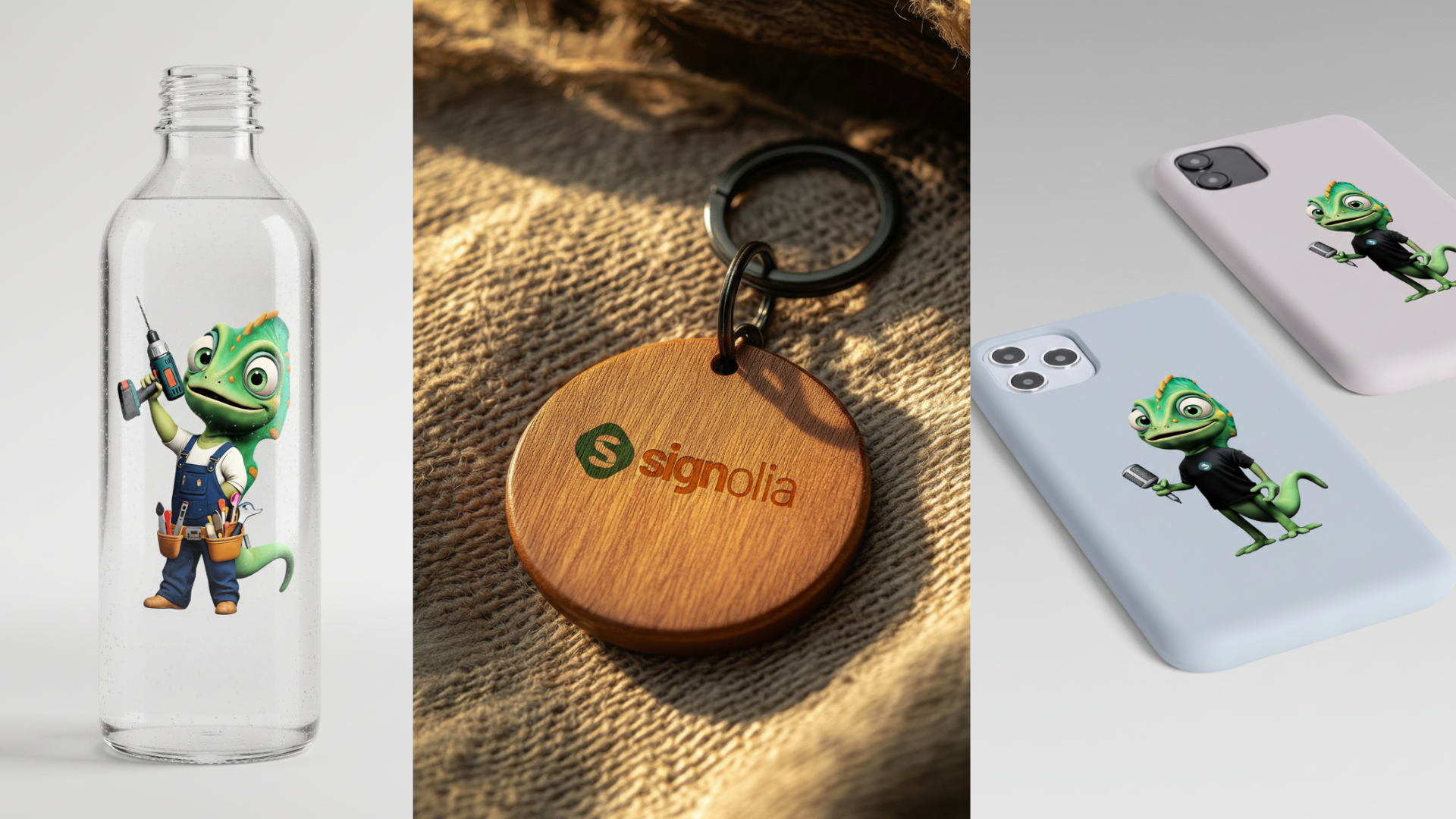
This type of customization brings a series of advantages that make it increasingly popular:
For the customization of rigid products to be successful, it is worth considering these key aspects:
One of the most important steps in customizing rigid materials is proper surface preparation. This must be Clean, dry and free of greasy residues or dusts . Any impurities can negatively affect the adhesion of inks, vinyls, or adhesives.
Design is a crucial part of the process. Since rigid surfaces reflect more detail than textiles, any Error in resolution, color, or alignment will be more visible.
Not all techniques are suitable for all materials or for all purposes. It should be taken into account:
–The Surface Type : smooth, rough, porous or curved.
–The Order volume : Some techniques such as laser engraving or pad printing are more profitable in medium-high runs.
–The Level of detail and color that the design requires.
–The Intended use of the object : if it will be handled frequently, exposed to the sun, water or extreme temperatures.
Each technique—such as etching, direct printing, sublimation, or adhesive vinyl—has its limitations and strengths depending on the context.
Each type of customization has fixed and variable costs. Before choosing a technique, you should consider:
– Order Size : Is it worth a complex technique for a single unit?
– Production time per unit : Some techniques are slow, which affects the margin.
– Base Material : Certain rigid materials can make the final product more expensive if not used correctly.
Evaluating these factors well will help make more profitable decisions, especially in on-demand business models.
The context of the product also determines the personalization approach. Knowing well who the product is intended for and what it will be used for is crucial to selecting materials, techniques and finishes.
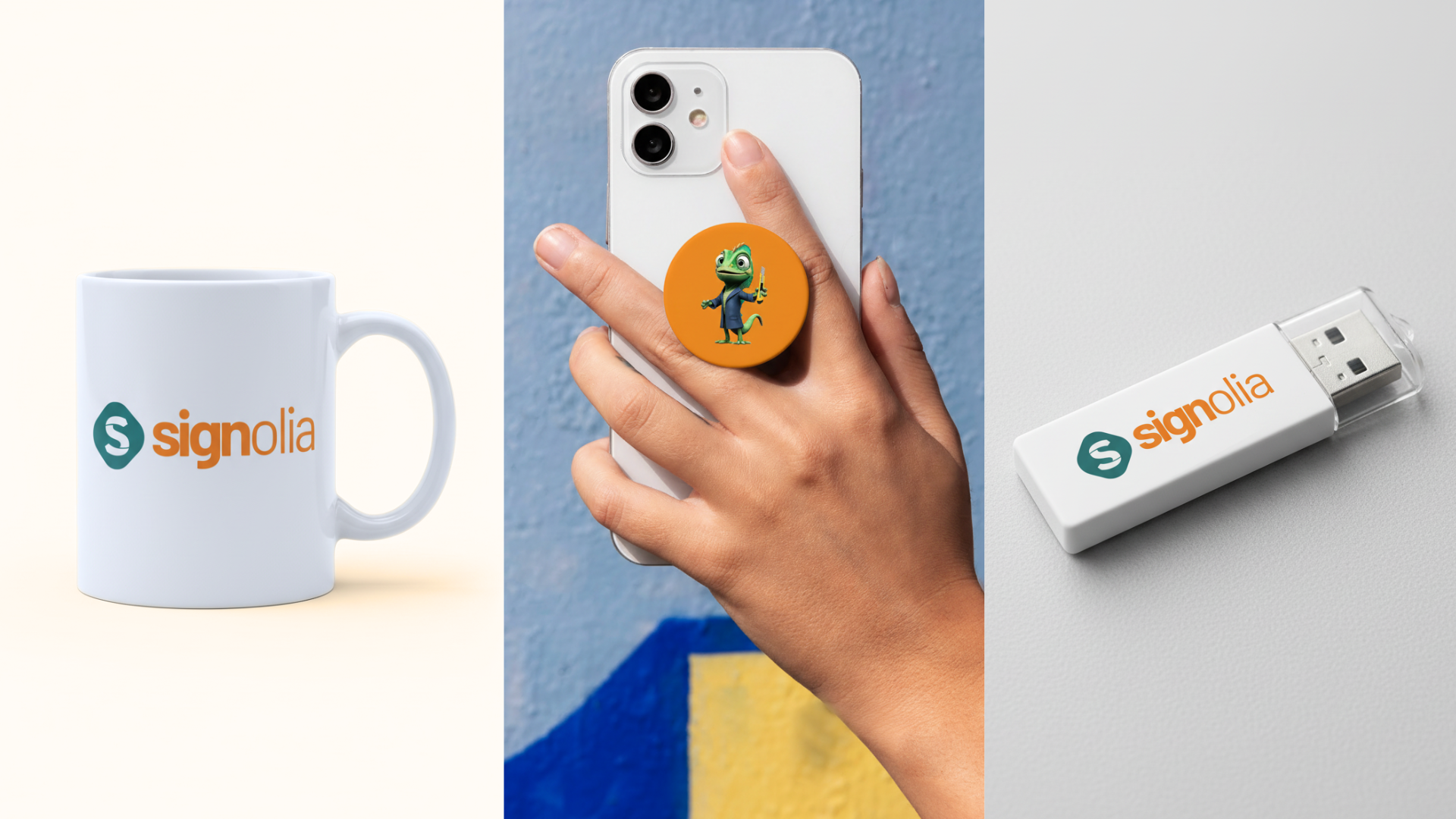
Here are some common uses that can inspire:
The Customization of rigid products It offers an excellent way to differentiate yourself, add value and create memorable pieces. From glass to metal, wood or plastic, the possibilities are wide if you take care of the right materials, design and technique. For entrepreneurs, gift companies or brands that wish to expand their offer, this option represents a field full of opportunities. If you're thinking of starting or improving your rigid custom product offering, now is the time.