



The signage sector is moving towards a scenario where technology, ecological awareness and adaptability set the course. Looking ahead to 2026, companies specialising in visual signage are facing a structural change influenced by the demand for more sustainable, personalised and efficient solutions. In this context, understanding the Signage trends 2026 It becomes essential for design, advertising, retail and visual communication professionals.
One of the fundamental pillars in the 2026 signage trends is sustainability. Consumers are increasingly demanding about the origin and environmental impact of the products they use or consume. This shift in mindset is forcing manufacturers and sign companies to redesign their processes. The choice of recycled or recyclable materials, the reduction of energy consumption through LED technologies, and the use of inks without toxic solvents are becoming the norm. In addition, creative solutions are emerging such as reusable or easy-to-disassemble signs, adaptable to new uses. This commitment to the green not only responds to a commitment to the environment, but also to a strategy of reputation and differentiation from the competition.

Technology is consolidating itself as a transformative factor in the 2026 signage trends. High-quality digital printing, laser cutting systems, 3D printers, and the incorporation of special effects such as UV or metallic inks allow for more eye-catching and personalized results. On the other hand, automating workflows and connecting to business management systems (ERP) improve efficiency, reduce human error, and optimize lead times. This digitization also makes it possible to produce shorter runs, ideal for personalized or ephemeral campaigns. In short, the strategic use of technology drives innovation, which is key in an increasingly competitive sector.
Personalization is positioned as one of the 2026 signage trends with the greatest growth potential. Signs are no longer static elements, but part of a brand experience. Through the use of sensors, artificial intelligence or pattern recognition technologies, signs can be adapted to the context: they can display different messages depending on the visitor's profile, the weather, the time of day or the available inventory. This adaptability makes signage a powerful marketing tool, connecting emotionally with the customer and increasing conversion.
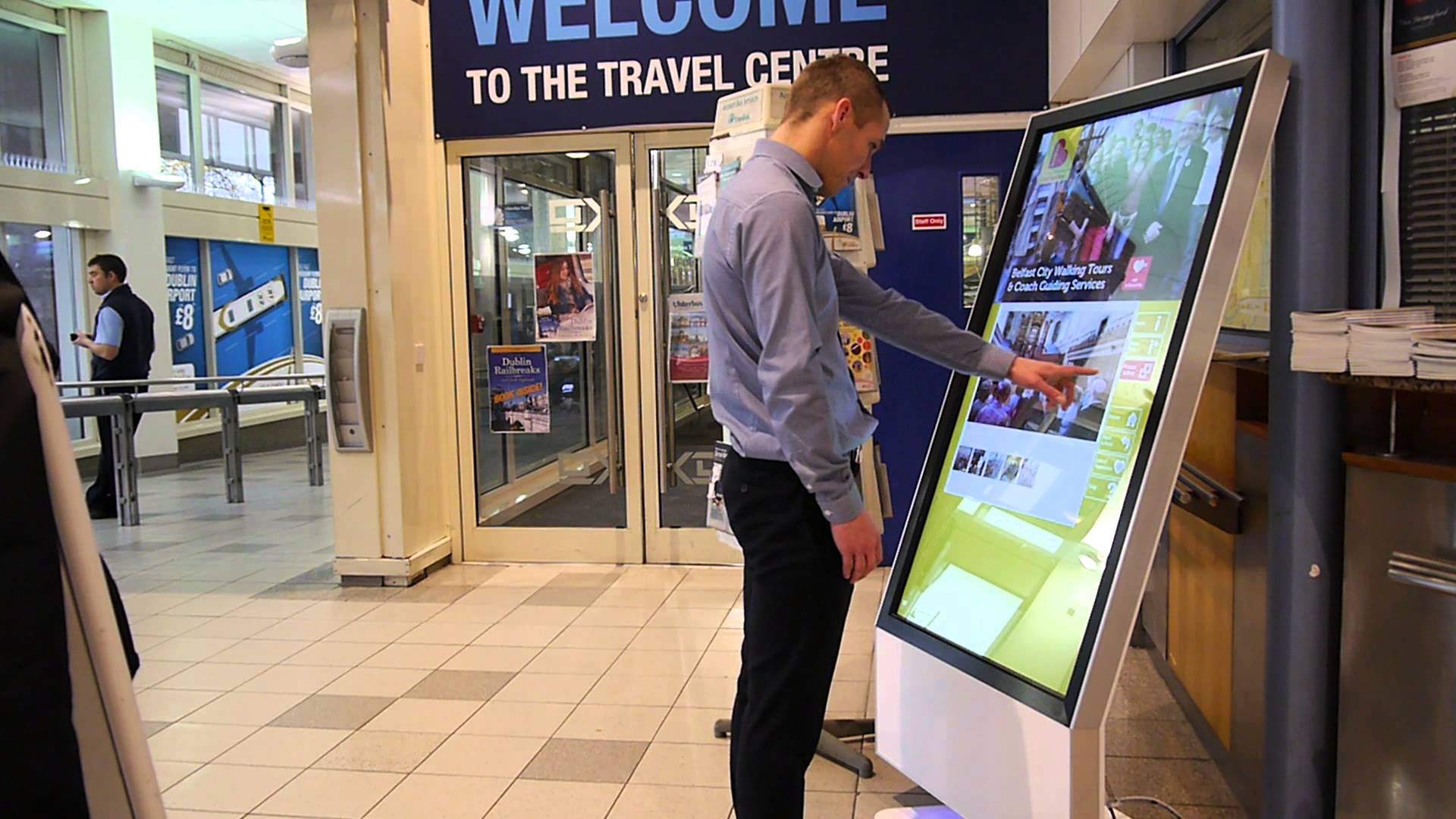
Design continues to set trends. In 2026, minimalism is strongly imposed: clean typefaces, sober color palettes, modular design, and clear hierarchies. This style, in addition to being visually pleasing, makes it easier to read and improves accessibility, especially in public or high-traffic spaces. The minimalist aesthetic is aligned with functionality and sustainability, as it allows for better use of materials and simplifies manufacturing processes. The Signage trends 2026 They also focus on the balance between visual impact and communicative efficiency.
Smart signage represents the vanguard within the 2026 signage trends. Thanks to the integration of IoT technologies, signs can be connected to the network, collect data in real time and automatically adapt to new situations. For example, a sign can adjust its brightness based on ambient light, change its content based on foot traffic, or send statistics to the marketer. This connectivity offers both operational and commercial advantages and expands the possibilities of interaction between brand and consumer.
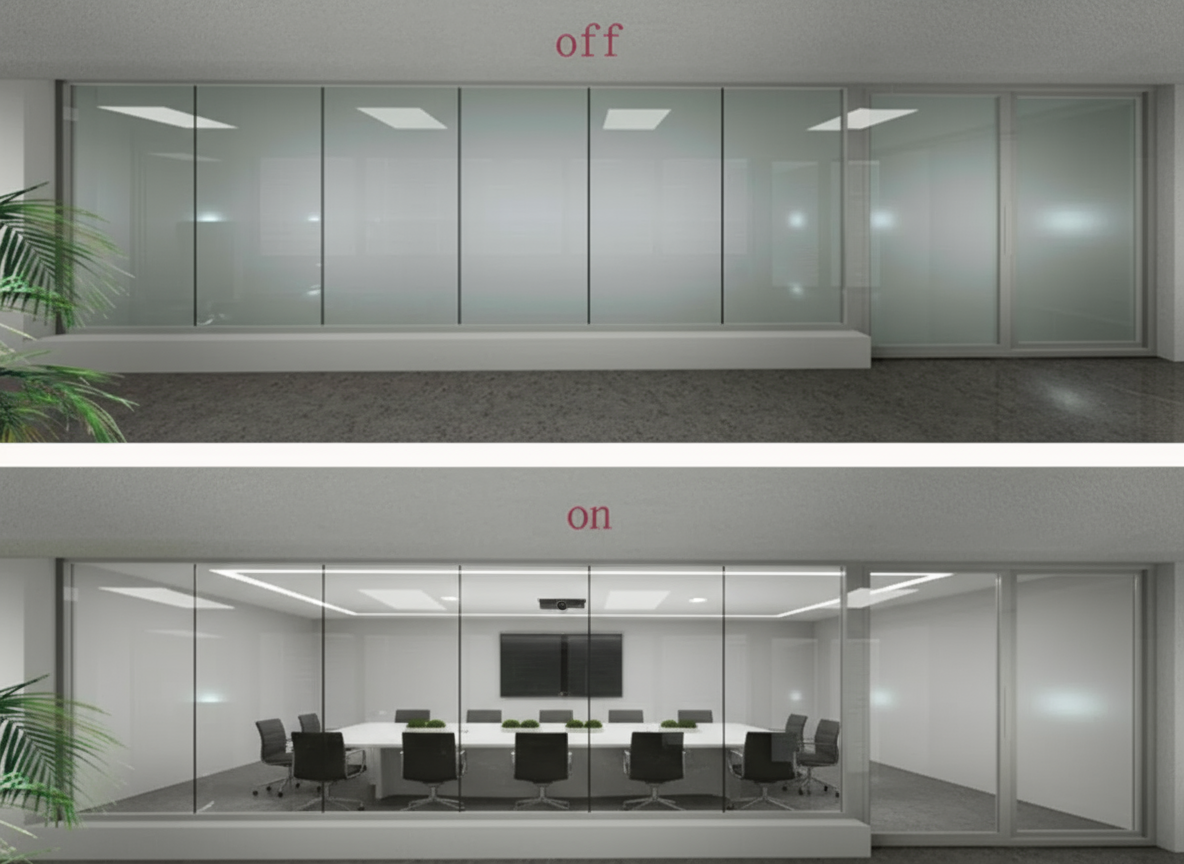
The emergence of new technologies and materials forces the sector to evolve in the field of human resources as well. The Signage trends 2026 highlight the need for highly qualified technical and creative profiles. Continuous training becomes essential to adapt to 3D design tools, advanced printing systems or automation software. At the same time, companies are seeking alliances with vocational training centres, universities and design schools to guarantee generational renewal and promote innovation.
The future of signage is marked by the convergence between technology, sustainability and creativity. The Signage trends 2026 reflect a profound change in the way of communicating visually in commercial, urban and corporate spaces. Adapting to these changes is not only a competitive advantage, but a strategic necessity to survive and stand out in an ever-changing environment.